

Baja California: The Desert Meets the Deep Blue Sea
Baja California is a magnificent paradox: a long, slender finger of sun-baked land where one of the world’s most formidable deserts plunges directly into two of its most vibrant oceans. Extending 1,250 kilometers south from the U.S. border, this Mexican peninsula is a realm of rugged isolation, defined by the stark beauty of the Baja California Desert and the ceaseless drama of its coasts.
The peninsula is geographically split into two states: Baja California (North) and Baja California Sur (South), and is bordered by the tumultuous Pacific Ocean to the west and the tranquil Sea of Cortés (also known as the Gulf of California) to the east. The latter was famously dubbed “The World’s Aquarium” by Jacques Cousteau for its extraordinary biodiversity.
The unique character of Baja is forged by this geography. The climate is extreme, yet it supports life forms found nowhere else, from giant cardón cacti to migrating Gray Whales. The spirit of the land is one of authentic adventure—a place of dusty backroads, legendary off-road races, and deep-sea fishing. Unlike Mexico’s heavily developed Caribbean coast, much of Baja remains wild and untamed, offering the traveler a chance to experience a true frontier where the desert meets the deep blue sea in spectacular fashion.
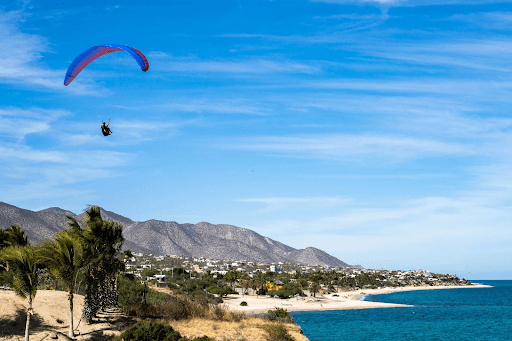
The Two Coasts: Pacific Ruggedness vs. Sea of Cortés Tranquility
Baja California’s duality is best understood by contrasting its two coastlines, each offering a distinct experience shaped by the vast waters they face.
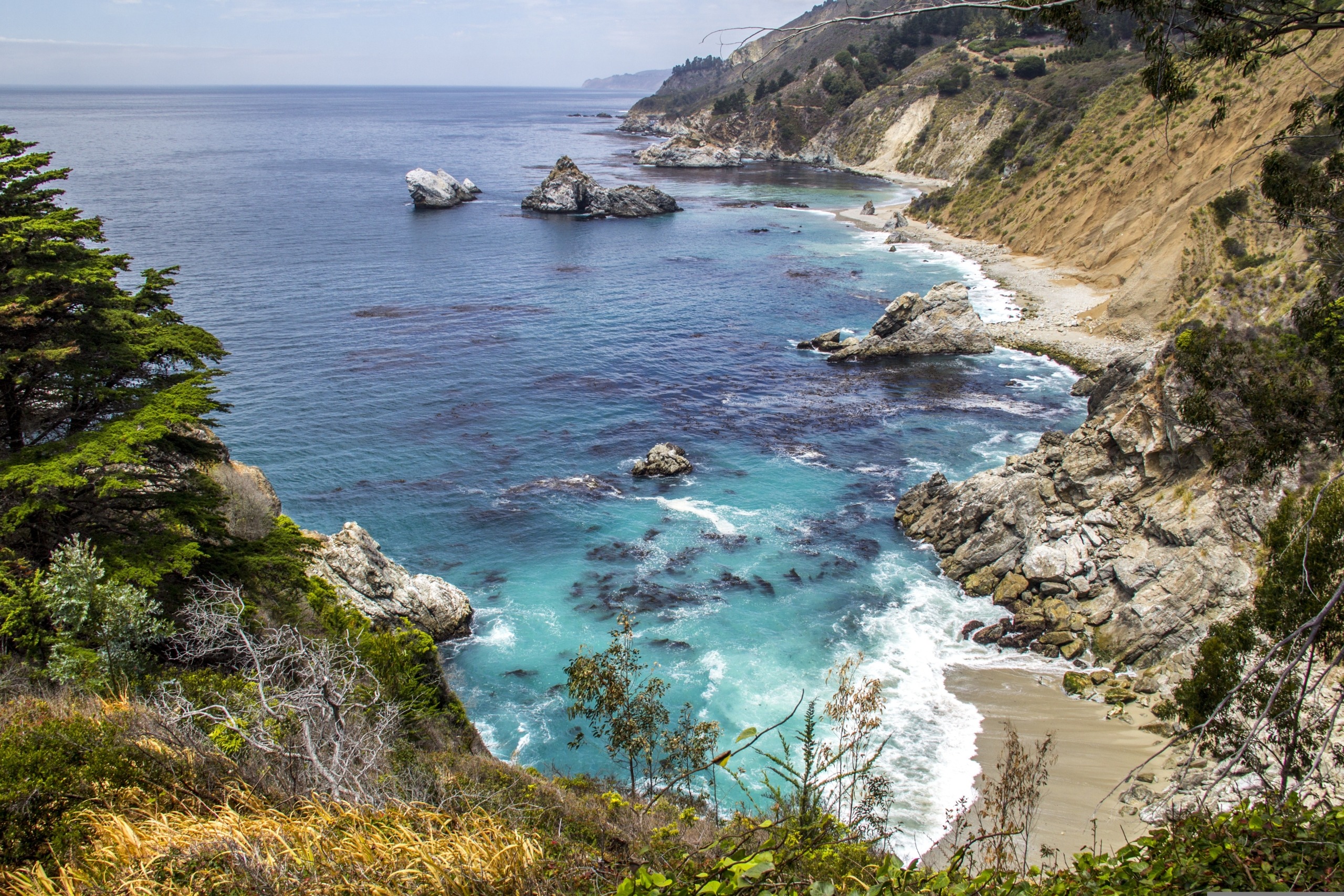
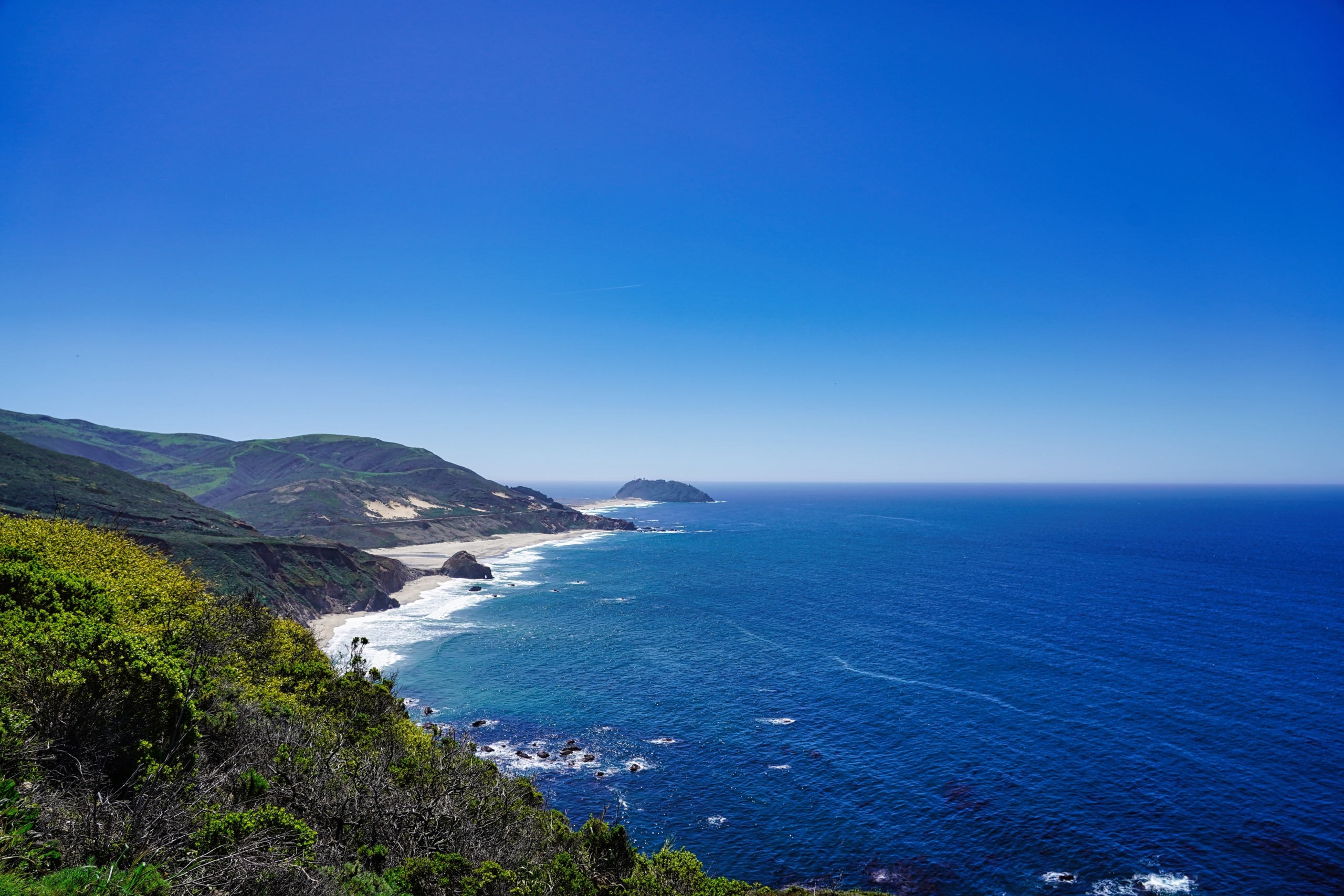
The Pacific Coast is a landscape of exposure and power. It faces the enormous, unbroken expanse of the Pacific, resulting in large waves, powerful currents, and a rugged, often foggy shoreline. This side is a surfer’s paradise, with legendary breaks around Ensenada and the dramatic cliffs further south. Its greatest draw, however, are the shallow, protected lagoons like Bahía Magdalena and Laguna Ojo de Liebre. These are the critical birthing and nursing grounds for the migrating Gray Whales, offering the unparalleled experience of “friendly whale encounters” where the massive, gentle creatures approach small skiffs.
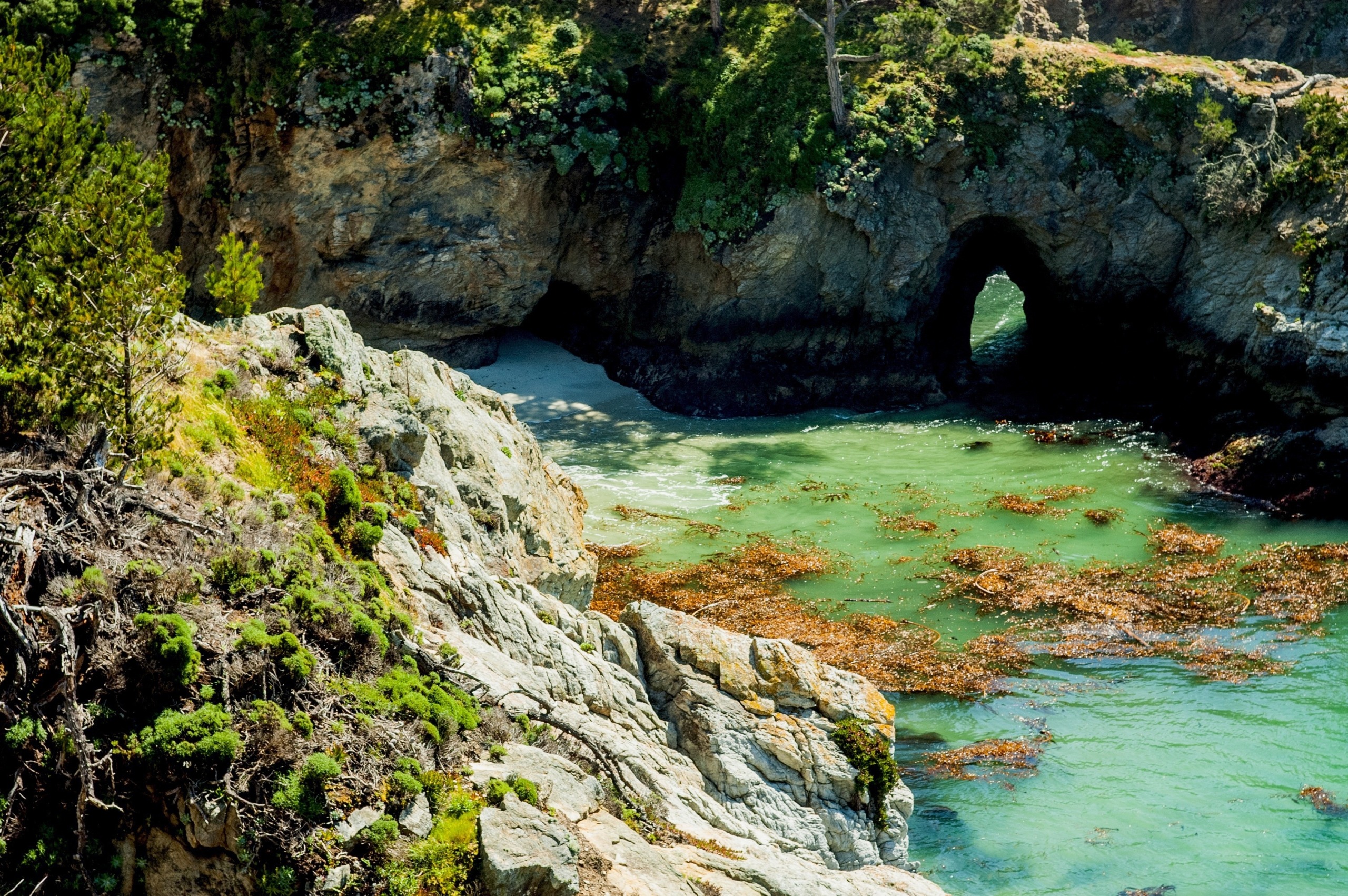
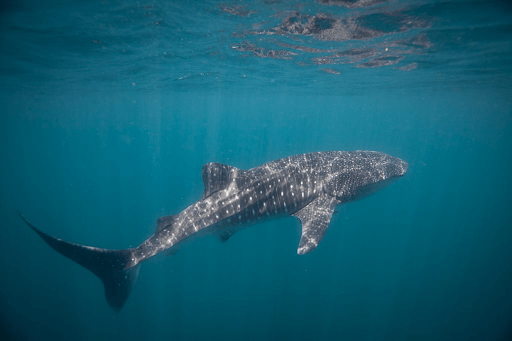
In contrast, the Sea of Cortés (Gulf of California) coast is serene and protected by the mainland of Mexico. This is where Cousteau found his “Aquarium,” a body of water rich in nutrients, supporting nearly 900 species of fish and thousands of invertebrates. Towns like Loreto and La Paz are gateways to pristine, uninhabited islands (like Espiritu Santo) perfect for snorkeling, scuba diving, and kayaking. The water is warmer, clearer, and teeming with life, from colorful reef fish and playful sea lions to seasonal visitors like whale sharks and manta rays. The Sea of Cortés side is where marine life viewing reaches its absolute peak.
Desert Blooms and Missions: Life in the Arid Interior
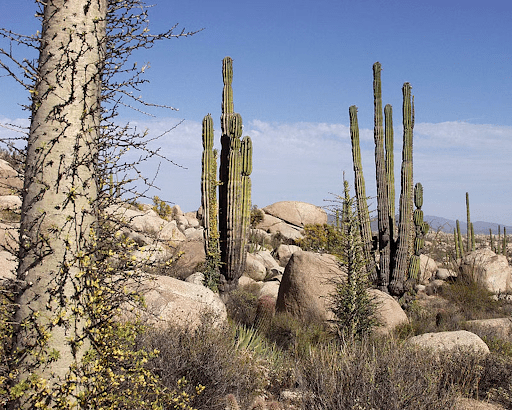
To truly appreciate Baja, one must venture away from the beaches and into the astonishing, arid heart of the peninsula. The interior is dominated by the Baja California Desert, home to a vast and bizarre collection of flora that has adapted to the extreme heat and low rainfall.
The most iconic species is the Cardón Cactus, which can grow taller than telephone poles and live for hundreds of years, dwarfing visitors and lending the landscape a truly alien feel. The desert transforms dramatically in the rare event of heavy rains, bursting into a temporary, vibrant bloom of wildflowers.
The history of human settlement in Baja is rooted in the chain of Spanish Missions established by Jesuit, Franciscan, and Dominican orders, connecting the isolated territories. Towns like Loreto (the site of the first successful mission, Mission Nuestra Señora de Loreto Conchó) and Mulegé (near Mission Santa Rosalía de Mulegé) retain this colonial charm and serve as cultural touchstones.
The rugged mountains of the Sierra de San Francisco hide an even older human history: a collection of pre-Columbian cave paintings and rock art. These UNESCO World Heritage Sites, often requiring a difficult journey by mule, depict human and animal figures and are a profound testament to the deep, indigenous history of this isolated land. The desert interior is a stark, silent landscape of both natural endurance and historical preservation.
Marine Giants and Coastal Culture: Whales, Sharks, and Tacos
The allure of Baja California is inextricably linked to its colossal marine inhabitants and its uniquely relaxed coastal culture.
The migratory season for the Gray Whales (December to April) is a global highlight, drawing visitors to the Pacific lagoons for intimate encounters. Similarly, the waters around La Paz are one of the most reliable places on Earth for swimming and snorkeling with docile Whale Sharks, the largest fish in the sea, a truly humbling experience for any traveler. Sea lions, dolphins, and various species of rays are common sights, cementing the Sea of Cortés’ reputation as a global marine treasure.
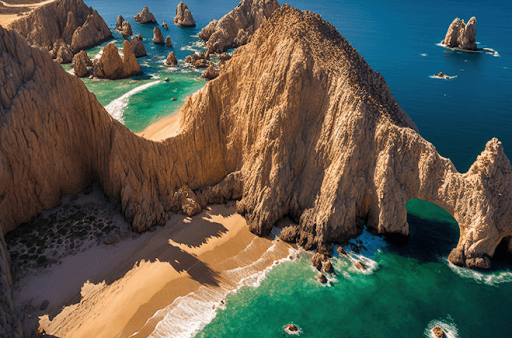
At the southern tip lies Los Cabos (Cabo San Lucas and San José del Cabo), the peninsula’s most developed resort area. While Cabo San Lucas is known for its nightlife and luxury, nearby San José del Cabo retains a more traditional, artistic Mexican village charm.
The local Baja Cuisine is a highlight of the trip, characterized by fresh seafood and unique takes on Mexican street food. The famous Baja fish taco—lightly battered, fried, and topped with crisp cabbage and creamy sauce—was perfected here and is a mandatory culinary experience.
Ultimately, the Baja lifestyle is one of easy simplicity, influenced by surf culture, fishing traditions, and a deep appreciation for the natural environment. It’s a place to unplug, drive the scenic (and sometimes challenging) Transpeninsular Highway (Mexico 1), and embrace the vast, unhurried rhythm of the desert meeting the sea.
Explore Alaska:
“The Awakening of the Last Frontier”
MAY 2026
May marks the official start of Alaska’s travel season, offering the best of both worlds—fewer crowds and the awakening of nature in full splendor. It’s the perfect month for discerning travelers seeking pristine beauty, authentic experiences, and a front-row seat to the changing of seasons.
Key Highlights for May Travel in Alaska:
1. Wildlife Watching at Its Best
- Brown bears emerge from hibernation and can be spotted in places like Katmai or Lake Clark National Park.
- Moose calving season—a rare opportunity to see moose with their newborns in areas near Anchorage and Denali.
- Migratory birds return—ideal for bird watching along the Kenai Peninsula or in the Matanuska-Susitna Valley.
2. Denali National Park: Spring Awakens
- Early May offers snow-capped peaks with blooming tundra.
- Limited crowds = more serene and personalized exploration.
- Ideal time for photography and guided hikes, especially with a naturalist.
3. Glacier Exploration & Coastal Cruises
- Take small-ship cruises through Kenai Fjords or Prince William Sound—see tidewater glaciers calving dramatically into the ocean.
- Whale watching season begins—gray whales are migrating, and humpbacks start to appear.
4. Extended Daylight = More Time to Explore
- With up to 18 hours of daylight, there’s more time for epic hikes, flightseeing, and cultural immersion.
- Perfect for adventure photographers or those who don’t want the day to end.
5. Spring Blooms & Local Festivals
- Witness wildflowers like lupines and forget-me-nots carpeting valleys.
- Attend Anchorage Market & Festival or Sitka’s Spring Music Festival—a touch of Alaskan culture and cuisine.