

The Galápagos Legacy: An Odyssey of Evolution and Enchantment
Welcome to Darwin’s Living Laboratory
Stepping onto the shores of the Galápagos Islands is like entering a realm untouched by time, a living museum of evolution that captivated Charles Darwin in 1835 and continues to mesmerize travelers today. Located roughly 1,000 kilometers off the coast of Ecuador, this volcanic archipelago is a UNESCO World Heritage site and a biosphere reserve, fiercely protected for its unparalleled biodiversity. Here, marine iguanas spit salt, blue-footed boobies dance, and giant tortoises roam, completely unafraid of human presence—a testament to millions of years of isolated development.
The unique geological history of the Galápagos, born from submarine volcanic activity, created a perfect crucible for life to evolve in extraordinary ways. Each island, with its distinct environmental pressures, shaped its inhabitants into unique species and subspecies. This profound interaction between land, climate, and life forms makes the Galápagos not just a destination, but an active lesson in natural selection. Get ready to embark on an odyssey where every turn reveals a new wonder, and the line between visitor and observer of history blurs.
The Iconic Inhabitants: A Parade of Endemic Wonders
The true stars of the Galápagos are its extraordinary residents, many of whom exist nowhere else on Earth. Witnessing their daily lives up close is an experience of profound privilege.
The Giant Tortoises (Galápagos Tortoises): These gentle giants, after which the islands are named (“galápago” is an old Spanish word for saddle, referring to the shape of some tortoise shells), can live for over 100 years. Each island, and sometimes even individual volcanoes, hosts distinct subspecies, varying in shell shape and size, providing a vivid example of adaptive radiation.
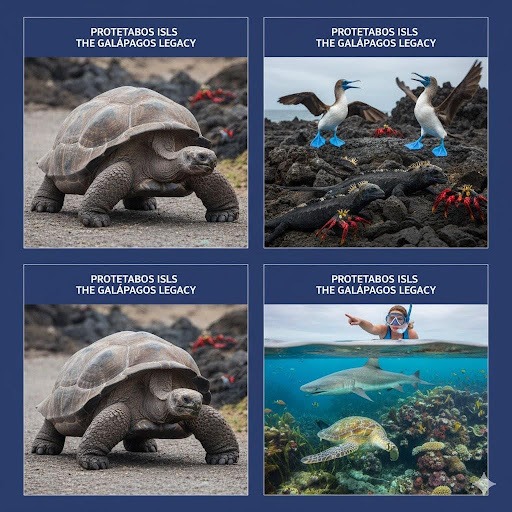
The Marine Iguanas: The world’s only sea-going lizards, these prehistoric-looking creatures bask on black lava rocks, warming up after dives into the cool Pacific waters to graze on algae. Watching them sneeze out salt crystals through their nostrils is a bizarre and memorable sight.
Unforgettable Encounters: Above and Below the Waves
Beyond the tortoises and iguanas, the Galápagos offers a dizzying array of wildlife encounters that are both intimate and awe-inspiring.
Blue-Footed Boobies: Famous for their brilliant azure feet and comical courtship dance, these seabirds are a delight to watch. They often nest right on the trail, displaying an almost complete lack of fear, allowing for incredible photographic opportunities.
Frigatebirds: Look up, and you’ll spot Magnificent and Great Frigatebirds soaring overhead. During mating season, the males inflate their bright red gular pouches, a spectacular display to attract females. These aerial pirates are also known for kleptoparasitism, snatching fish from other birds!
Galápagos Sea Lions: Playful and curious, sea lions are ubiquitous. You’ll find them lounging on park benches, frolicking in the shallows, or even “escorting” snorkelers. Their puppy-dog eyes and boisterous barks are an undeniable part of the island charm.
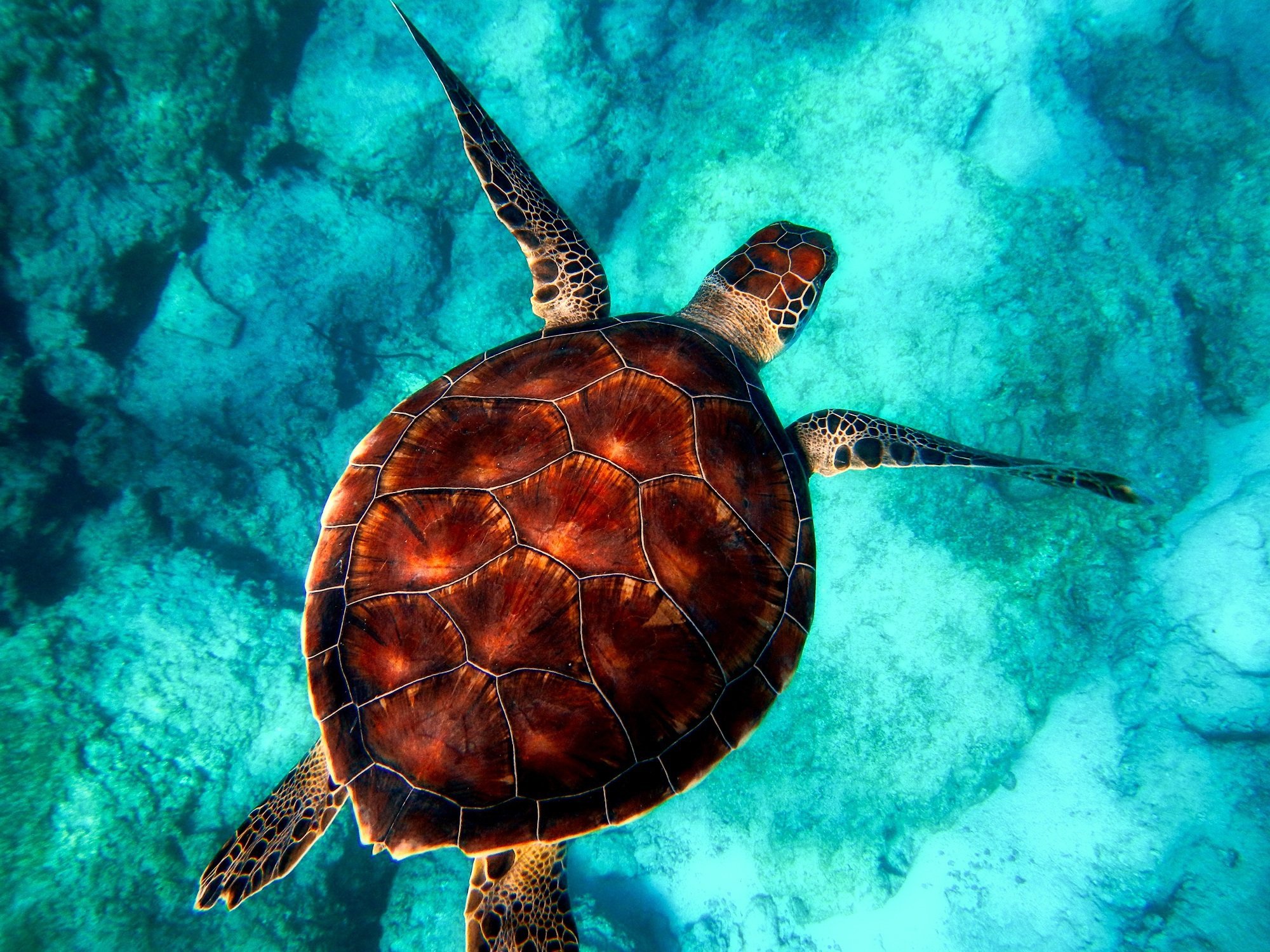
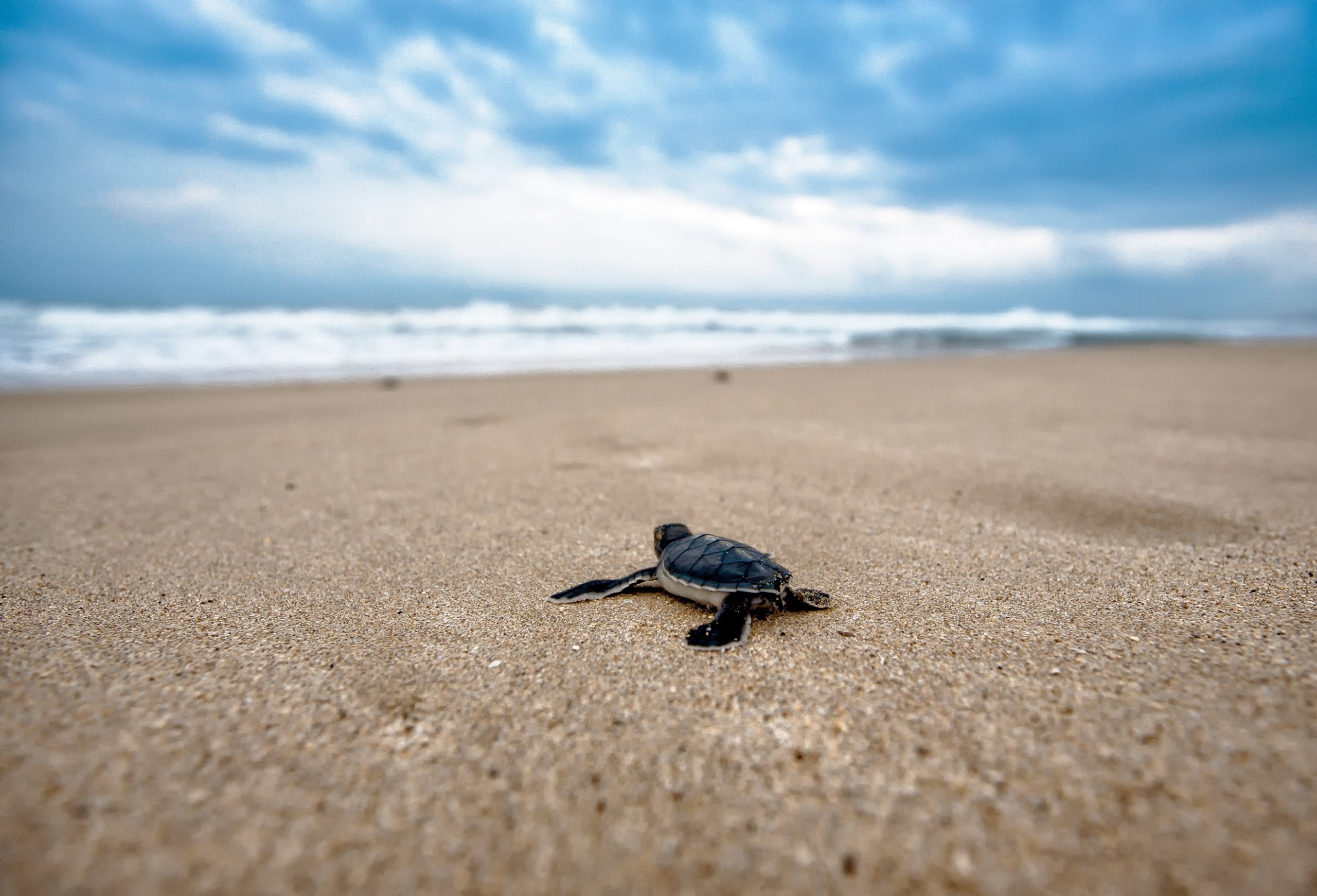
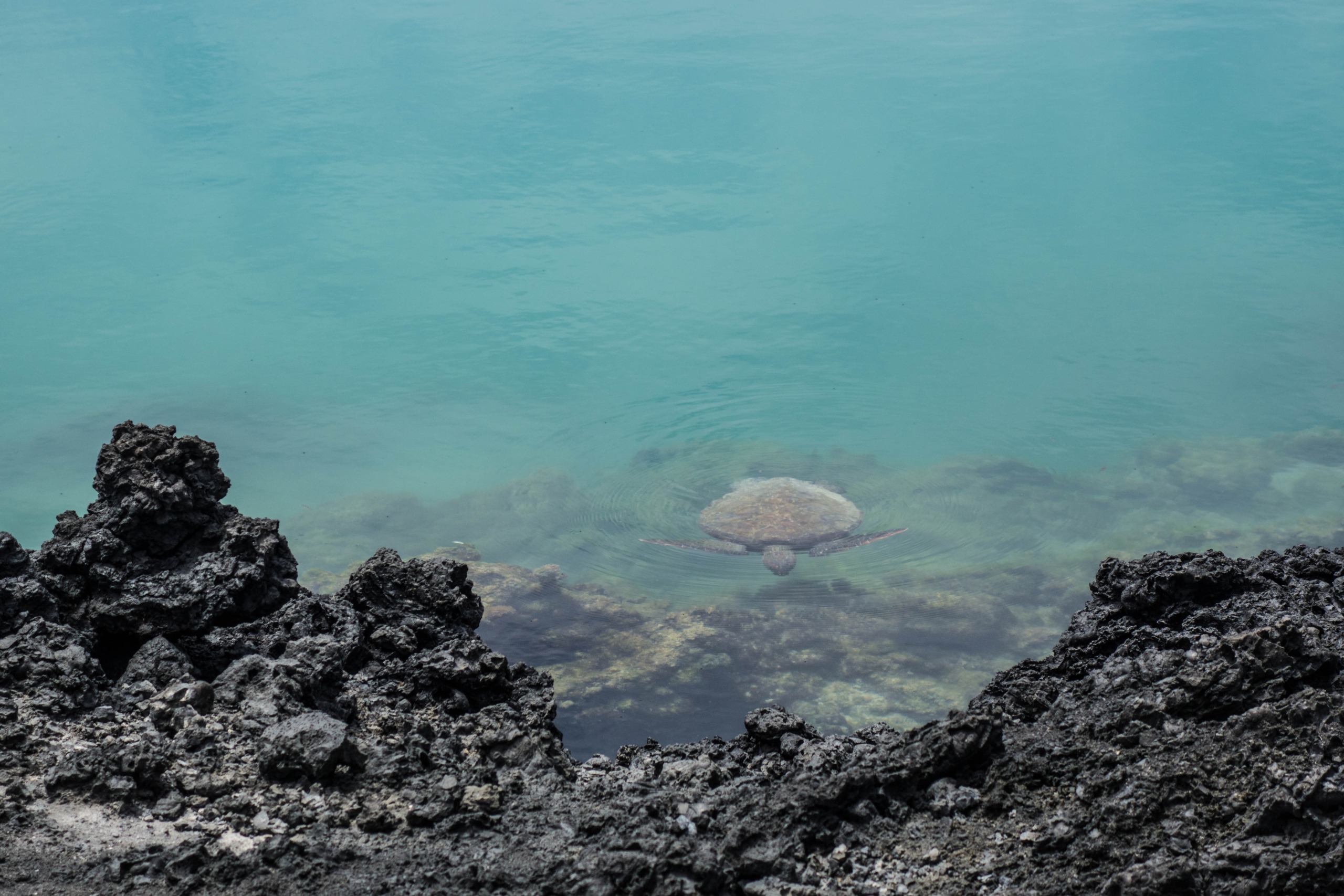
Underwater Wonderland: The waters surrounding the islands are just as vibrant as the land. Snorkeling or diving here means swimming alongside green sea turtles, sleek reef sharks, rays, and schools of colorful fish. The cold, nutrient-rich currents bring in diverse marine life, making every dip an adventure.
Planning Your Own Odyssey: Logistics & Legacy
A journey to the Galápagos is an investment, but one that promises a lifetime of memories. Careful planning ensures you make the most of this extraordinary destination.
How to Get There: International flights typically arrive in Ecuador (Quito or Guayaquil), followed by a domestic flight to one of the two Galápagos airports: Baltra (for cruises) or San Cristobal (for land-based tours).
Cruises vs. Land-Based:
- Cruises: The most popular way to explore, offering access to more remote, uninhabited islands. Options range from luxury yachts to budget-friendly motor vessels, typically 4 to 15 days. This allows for immersive daily excursions led by certified naturalist guides.
- Land-Based: Staying in hotels on inhabited islands (Santa Cruz, San Cristobal, Isabela, Floreana) allows for day trips to nearby visitor sites and offers more flexibility, interaction with local communities, and often a more budget-conscious approach.
Best Time to Visit: The Galápagos is a year-round destination.
- Warm/Wet Season (December-May): Calm seas, lush vegetation, warmer air and water temperatures (ideal for snorkeling), active mating seasons for land birds.
- Cool/Dry Season (June-November): Garúa (misty drizzle) in the highlands, cooler air and water temperatures, rougher seas, but abundant marine life (whale sharks, penguins more active) and active mating for sea birds.
Responsible Travel: Protecting Paradise The Galápagos’ unique ecosystem is incredibly fragile. Adhering to strict national park rules is paramount:
- Do not touch the wildlife. Maintain a respectful distance.
- Do not feed the animals.
- Stay on marked trails.
- Do not take anything from the islands (shells, rocks, plants).
- Pack out what you pack in. Minimize waste.
- Use reef-safe sunscreen.
By choosing ethical tour operators and respecting the delicate balance of this living laboratory, you become a part of the legacy of conservation, ensuring that the magic of the Galápagos continues to inspire future generations. It’s more than a trip; it’s a profound connection to the wild heart of our planet.
Explore Alaska:
“The Awakening of the Last Frontier”
MAY 2026
May marks the official start of Alaska’s travel season, offering the best of both worlds—fewer crowds and the awakening of nature in full splendor. It’s the perfect month for discerning travelers seeking pristine beauty, authentic experiences, and a front-row seat to the changing of seasons.
Key Highlights for May Travel in Alaska:
1. Wildlife Watching at Its Best
- Brown bears emerge from hibernation and can be spotted in places like Katmai or Lake Clark National Park.
- Moose calving season—a rare opportunity to see moose with their newborns in areas near Anchorage and Denali.
- Migratory birds return—ideal for bird watching along the Kenai Peninsula or in the Matanuska-Susitna Valley.
2. Denali National Park: Spring Awakens
- Early May offers snow-capped peaks with blooming tundra.
- Limited crowds = more serene and personalized exploration.
- Ideal time for photography and guided hikes, especially with a naturalist.
3. Glacier Exploration & Coastal Cruises
- Take small-ship cruises through Kenai Fjords or Prince William Sound—see tidewater glaciers calving dramatically into the ocean.
- Whale watching season begins—gray whales are migrating, and humpbacks start to appear.
4. Extended Daylight = More Time to Explore
- With up to 18 hours of daylight, there’s more time for epic hikes, flightseeing, and cultural immersion.
- Perfect for adventure photographers or those who don’t want the day to end.
5. Spring Blooms & Local Festivals
- Witness wildflowers like lupines and forget-me-nots carpeting valleys.
- Attend Anchorage Market & Festival or Sitka’s Spring Music Festival—a touch of Alaskan culture and cuisine.