

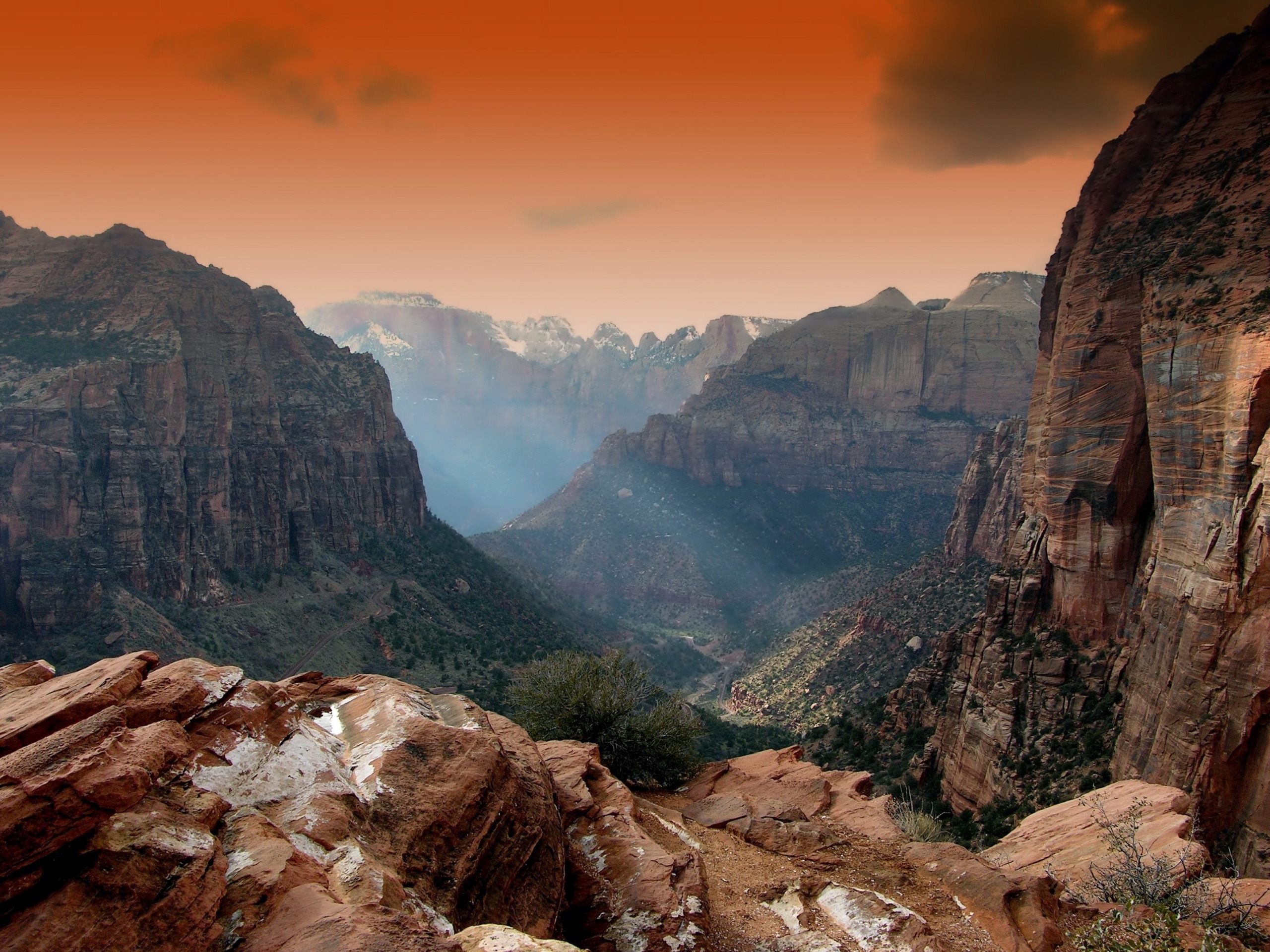
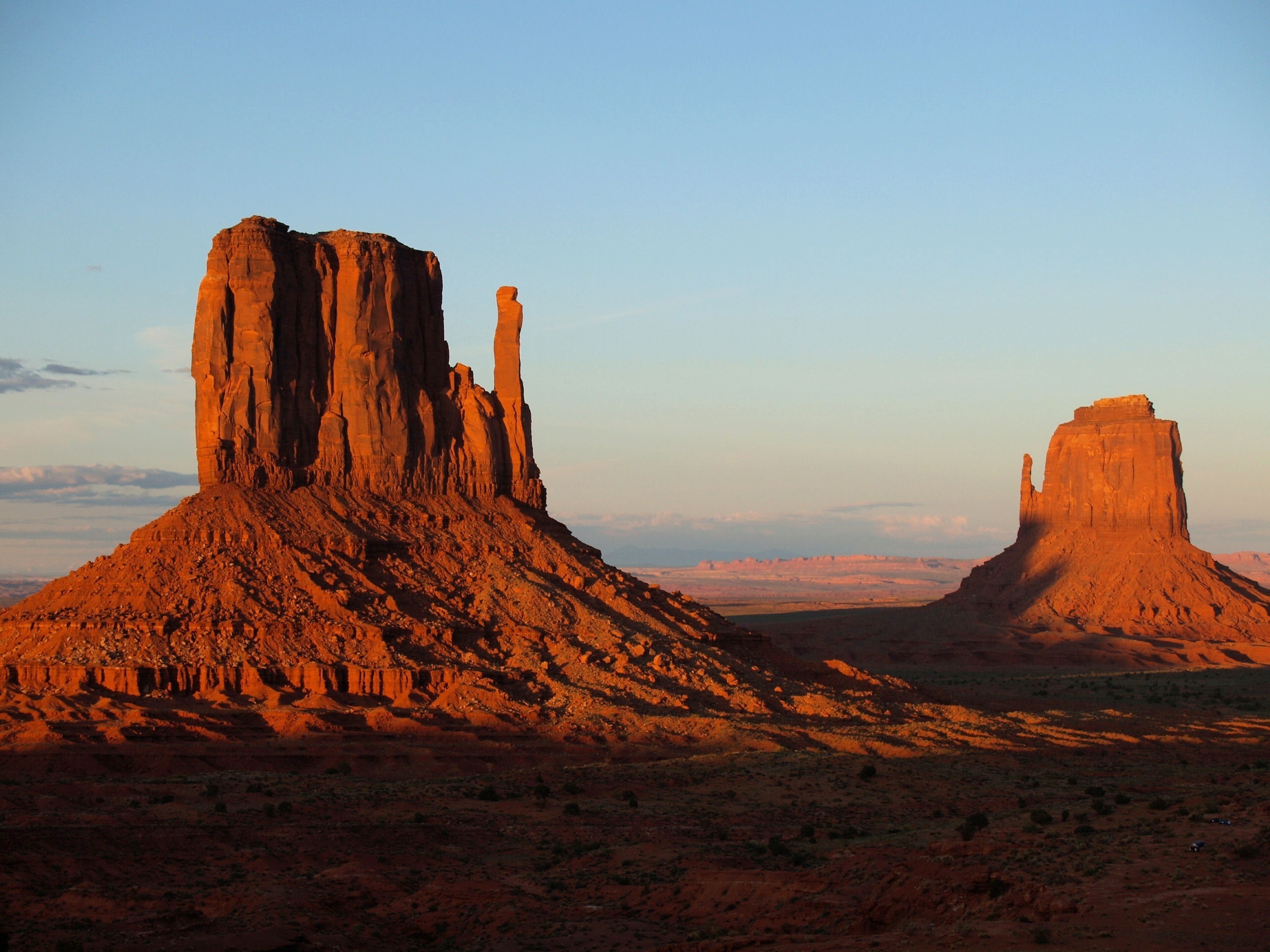
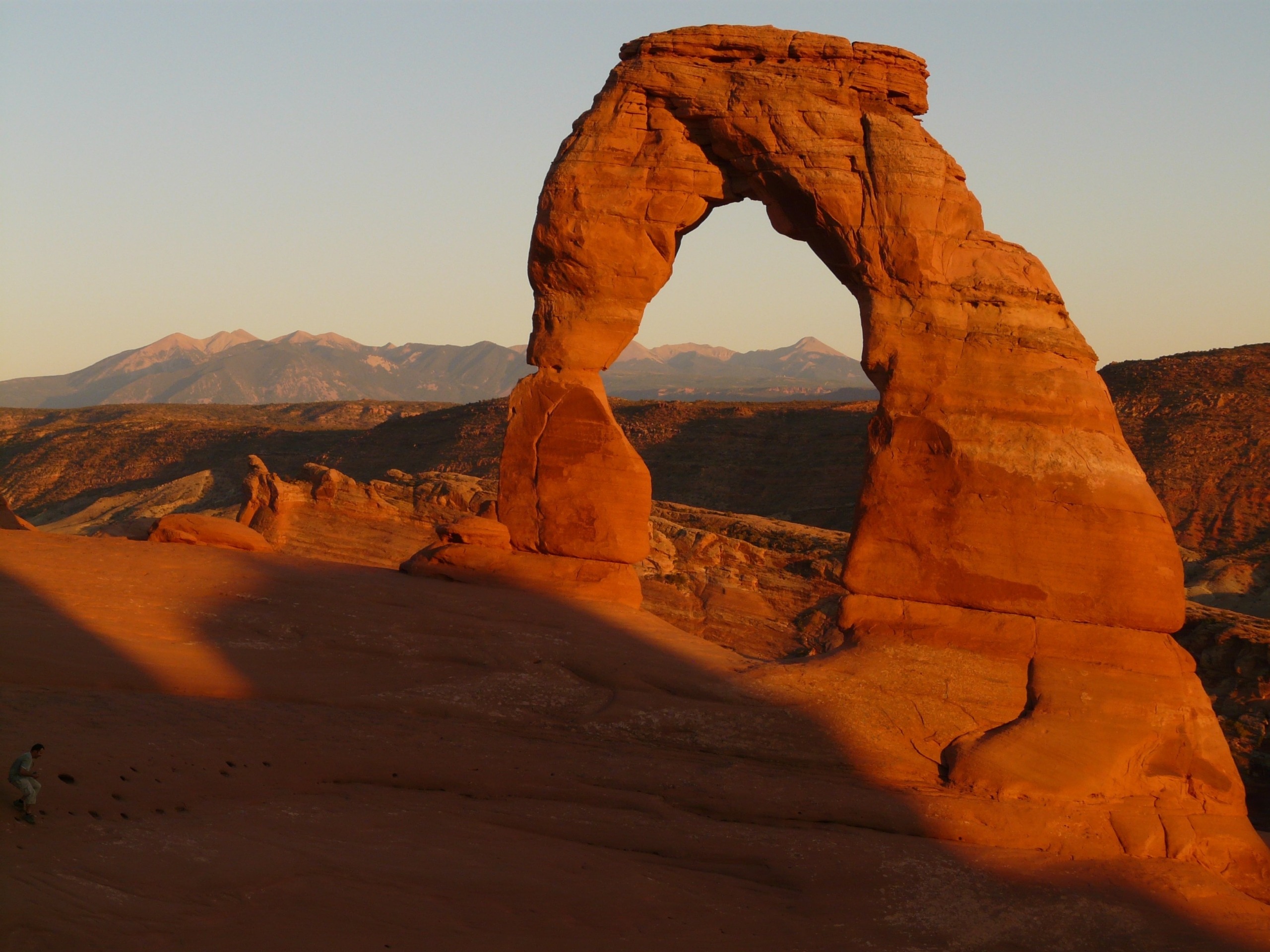
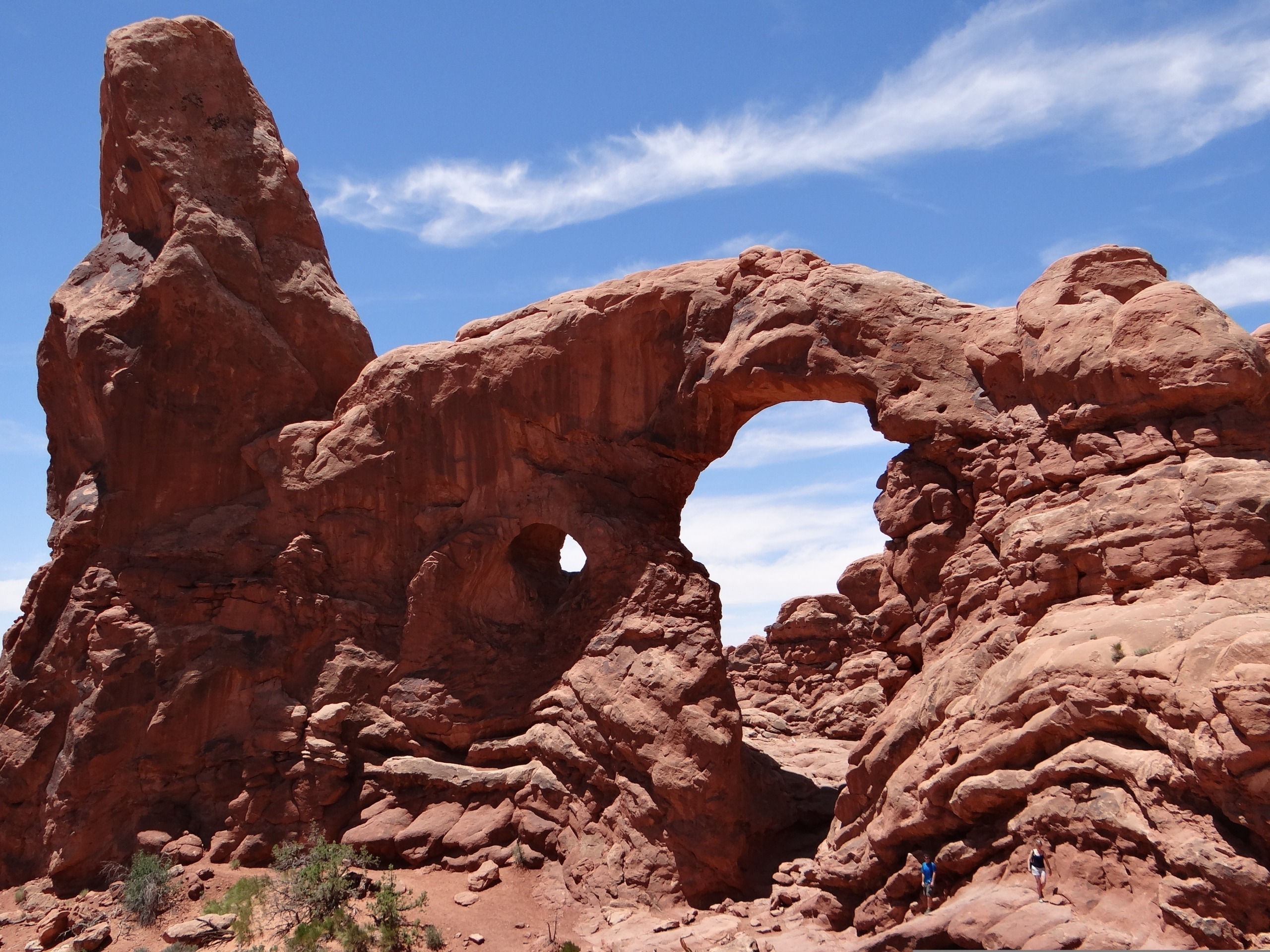
The Ultimate Guide to America’s Natural Cathedrals: An Exploration of the US National Park System
A Grand Idea – The Birth of the National Park System
The Origin of a Movement: From Wilderness to ‘Pleasuring-Ground’
The United States National Park System is often called “America’s Best Idea,” a unique conservation effort that has inspired nations around the globe. This monumental system, comprising 63 National Parks and over 400 total units (including monuments, seashores, and historical sites), stands as a commitment to preserving the nation’s most spectacular landscapes for the public “unimpaired for the enjoyment of future generations.”
The vision began not with an act of Congress, but with the observations of artists and explorers. Painter George Catlin is often credited with first proposing the concept in the 1830s, fearing the devastating impact of westward expansion on Native American life, wildlife, and the wilderness itself.
The revolutionary idea became reality in 1872 when President Ulysses S. Grant signed the act establishing Yellowstone National Park in the Wyoming and Montana territories. It was set aside as a “public park or pleasuring-ground for the benefit and enjoyment of the people.” Significantly, since there was no state government to manage it, Yellowstone was placed under the control of the U.S. Federal Government, setting a monumental precedent.
The Organic Act and the National Park Service (NPS)
The initial parks, like Yosemite (1890) and Mount Rainier (1899), were managed individually and often poorly, sometimes even by the U.S. Army. The need for a unified, professional organization became clear.
This led to the passage of the Organic Act on August 25, 1916. Signed by President Woodrow Wilson, this act officially created the National Park Service (NPS). The agency was given a dual, sometimes contradictory, mandate:
- To conserve the scenery and the natural and historic objects and the wildlife.
- To provide for the enjoyment of the same in a manner that leaves them unimpaired.
This dual mission—preservation and public access—remains the guiding principle for the over 20,000 employees and thousands of volunteers who care for America’s treasures today.
The Iconic Four – Geological Wonders and Biological Hotspots
While every park holds special significance, a few stand out as cornerstones of the system, offering a crash course in America’s diverse geology and ecosystems.
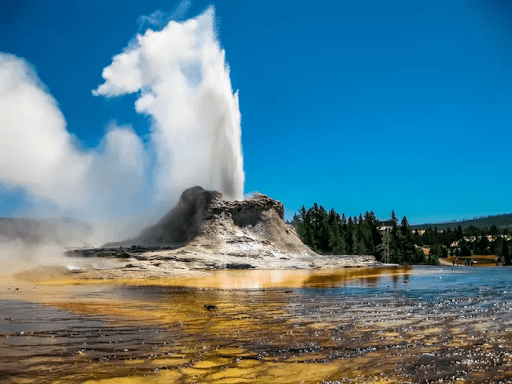
Yellowstone National Park: The Geothermal Engine
Spanning three states (Wyoming, Montana, and Idaho), Yellowstone is not just the first, but arguably the most geologically active park. It sits atop one of the world’s largest active super-volcanoes.
- Geothermal Features: It is home to more than half of the world’s geysers and hydrothermal features, including the famed Old Faithful and the vividly colored Grand Prismatic Spring. These features are the result of magma heating water deep beneath the surface.
- Wildlife: Yellowstone is the heart of the Greater Yellowstone Ecosystem, a near-intact temperate ecosystem. It’s the only place in the lower 48 states where American bison have lived continuously since prehistoric times. It also played a critical role in the successful reintroduction of gray wolves in the mid-1990s.
The Grand Canyon National Park: A Study in Time
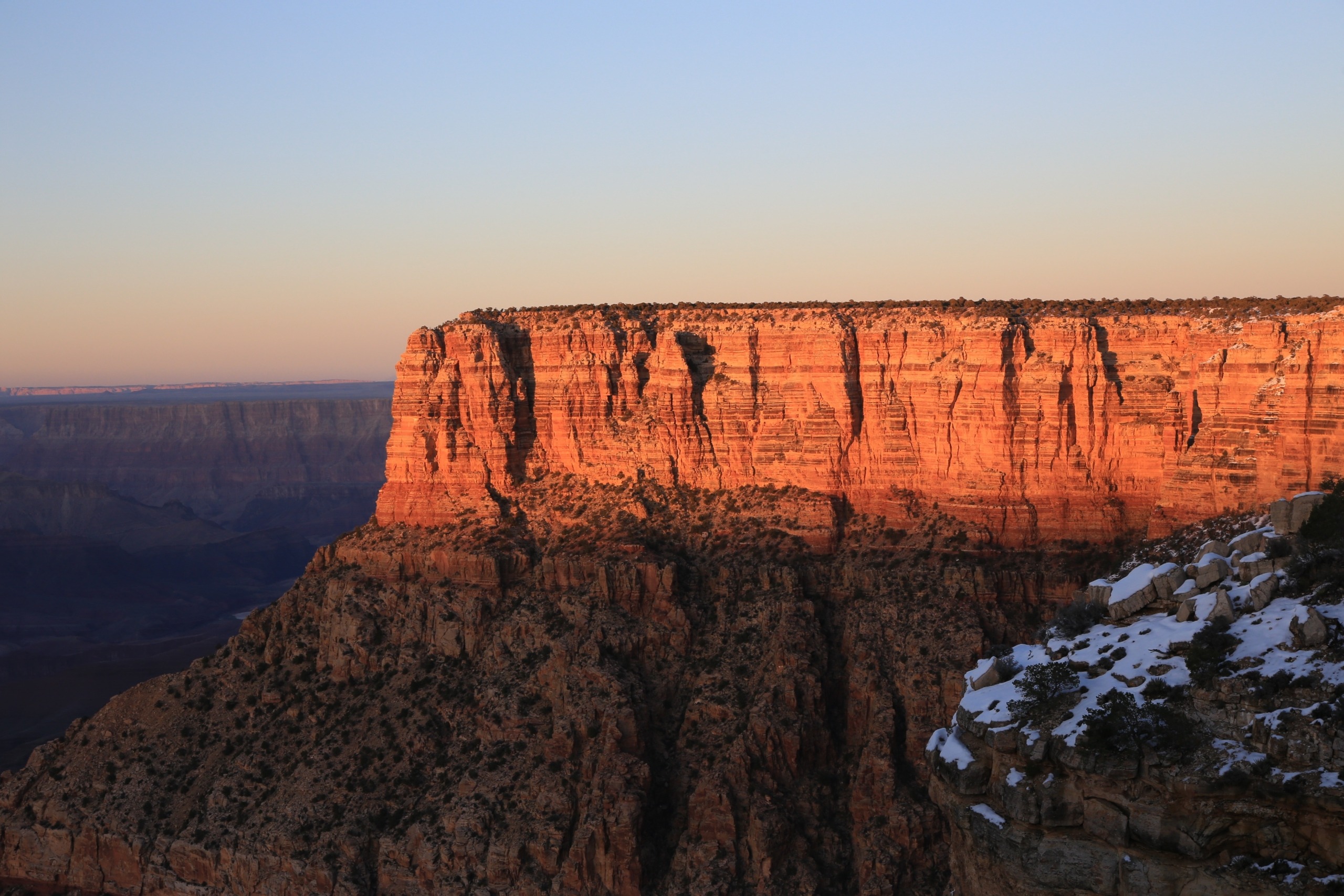
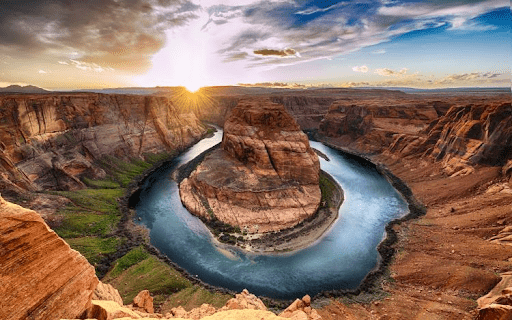
Located in Arizona, the Grand Canyon is the result of millions of years of geological carving by the Colorado River. It is not the deepest or the longest canyon in the world, but its sheer scale, striking colors, and the accessible cross-section of Earth’s history exposed in its layers make it globally unique.
- Geology: The canyon walls expose nearly two billion years of Earth’s geological history. The layered rock formations are a living textbook for geologists.
- Experience: Most visitors view the canyon from the South or North Rims, but the true adventure lies on the trails, like the Bright Angel Trail or South Kaibab Trail, which lead hikers down into the Inner Gorge, a demanding but rewarding journey.
Yosemite National Park: Granite Giants and Waterfalls
The crown jewel of California’s Sierra Nevada, Yosemite is famous for its dramatic, U-shaped valley, a feature carved by massive glaciers.
- Iconic Features: The valley is dominated by towering granite monoliths like El Capitan (a world-famous rock climbing destination) and Half Dome. The park also boasts spectacular waterfalls, including Yosemite Falls, one of the tallest in North America.
- Biodiversity: Beyond the granite, the park protects ancient groves of Giant Sequoias, the largest trees by volume on Earth.
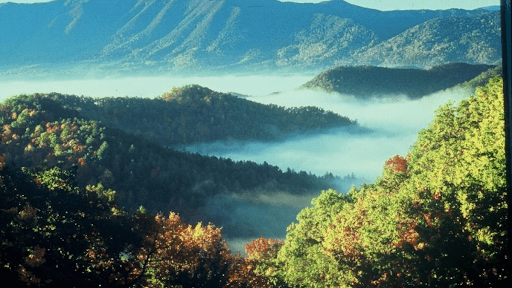
Great Smoky Mountains National Park: The Land of Blue Mist
Straddling North Carolina and Tennessee, the Great Smoky Mountains National Park is the most-visited national park in the system. Its name comes from the natural fog, or “smoke,” created by the moisture-laden vegetation.
- Lush Ecosystem: The Smokies are an International Biosphere Reserve, renowned for their incredible biodiversity. The park supports over 1,500 species of flowering plants—more than any other US National Park—and is often called the “Salamander Capital of the World.”
- Appalachian Trail: A significant section of the famed Appalachian National Scenic Trail runs through the heart of the park, drawing thousands of thru-hikers and day trekkers each year.
Conservation Challenges and the Spirit of Preservation
The original mandate of the NPS—to preserve the parks “unimpaired”—has become increasingly challenging in the 21st century. The same features that draw millions of visitors also make the parks vulnerable.
The Threat of Over-Crowding and Infrastructure
With record-breaking attendance each year, many of the most popular parks, such as Zion, Yosemite, and the Grand Canyon, struggle with over-crowding, traffic congestion, and resource strain.
Management Solutions: To balance preservation with access, the NPS has implemented various solutions, including mandatory timed-entry reservations for certain parks and popular attractions, expanded shuttle systems to reduce vehicle traffic, and sophisticated resource management plans. The goal is to distribute visitors more evenly and protect fragile environments like alpine meadows and river banks from excessive foot traffic.
The Impact of Climate Change
No challenge is greater or more far-reaching than climate change. Its effects are visible across the system:
- Glacier National Park is seeing its namesake glaciers melt at an alarming rate.
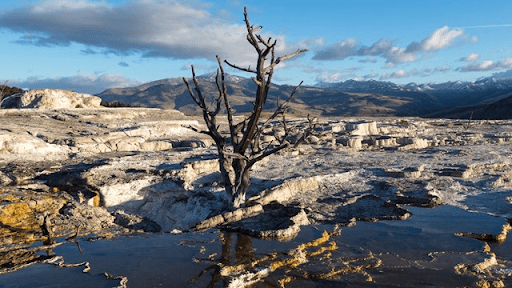
- Yellowstone experiences shifting patterns in its delicate thermal features.
- Joshua Tree National Park is seeing its iconic Joshua trees threatened by changing fire and drought cycles.
The NPS works with scientists to monitor these changes, restore vulnerable habitats, and adjust visitor infrastructure (like moving roads away from eroding coastlines) to cope with the new reality.
Wildlife and Habitat Protection
Conservation is a continuous battle. The NPS manages complex challenges like invasive species, habitat fragmentation, and the protection of threatened wildlife:
- In Everglades National Park, efforts focus on fighting the invasive Burmese Python and restoring the flow of water to the “River of Grass.”
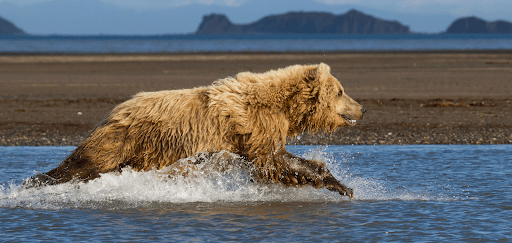
- In Yellowstone and Grand Teton, the focus remains on the safe management of large megafauna populations (bison, elk, bears) to prevent conflicts with humans and maintain the ecological balance.
The spirit of the system relies on the principle of stewardship—recognizing that the land is entrusted to us, and we must care for it for those who come next.
Planning Your Park Adventure and The Leave No Trace Ethic
Visiting a National Park requires preparation, respect, and a commitment to protecting the environment. With a little planning, you can have a safe, fulfilling, and low-impact adventure
Essential Trip Planning Tips
- Plan Early, Book Earlier: For popular parks (like Yosemite, Zion, or Acadia) during peak season (May to September), book accommodations (in-park lodges or campsites) 6 to 12 months in advance. Check the specific park’s website for timed-entry reservation systems, which are often mandatory.
- Go Off-Peak: If your schedule allows, visit during the shoulder seasons (April/May or September/October) to enjoy fewer crowds, pleasant weather, and easier access.
- Check Alerts: Always check the NPS official website for the specific park you plan to visit. Alerts include road closures (especially at high elevations), trail maintenance, fire restrictions, and safety warnings.
- Embrace the Pass: The America the Beautiful Pass ($80 annual pass) grants entry into all National Parks and federal recreation lands for one year. It’s a great value if you plan to visit more than two parks.
- Be Wildlife Aware: You are a visitor in their home. Always maintain a safe, respectful distance (typically 25 yards from most animals, 100 yards from bears and wolves). Never feed wildlife.
The Golden Rule: Leave No Trace
The foundational principle for all park visitors is the Seven Principles of Leave No Trace. Adherence to these principles ensures that the parks remain beautiful and “unimpaired” for future generations.
- Plan Ahead and Prepare: Know the weather, the terrain, and what equipment you need.
- Travel and Camp on Durable Surfaces: Stick to marked trails and established campsites. Do not forge new paths.
- Dispose of Waste Properly (Pack It In, Pack It Out): Everything you bring with you (trash, food scraps, etc.) must leave with you. Use designated restrooms or know how to properly dispose of human waste in the backcountry.
- Leave What You Find: Do not take rocks, flowers, artifacts, or natural items. Leave them for others to discover.
- Minimize Campfire Impacts: Use established fire rings and check local fire restrictions. In many areas, fires are prohibited entirely.
- Respect Wildlife: Observe from a distance. Never feed or approach animals.
- Be Considerate of Other Visitors: Yield to hikers on trails, keep noise levels low, and allow the natural sounds to prevail.
The National Parks are a spectacular gift of nature and history. By understanding their significance and embracing the spirit of responsible stewardship, we can all become a part of their legacy.
Happy Trails!
Explore Alaska:
“The Awakening of the Last Frontier”
MAY 2026
May marks the official start of Alaska’s travel season, offering the best of both worlds—fewer crowds and the awakening of nature in full splendor. It’s the perfect month for discerning travelers seeking pristine beauty, authentic experiences, and a front-row seat to the changing of seasons.
Key Highlights for May Travel in Alaska:
1. Wildlife Watching at Its Best
- Brown bears emerge from hibernation and can be spotted in places like Katmai or Lake Clark National Park.
- Moose calving season—a rare opportunity to see moose with their newborns in areas near Anchorage and Denali.
- Migratory birds return—ideal for bird watching along the Kenai Peninsula or in the Matanuska-Susitna Valley.
2. Denali National Park: Spring Awakens
- Early May offers snow-capped peaks with blooming tundra.
- Limited crowds = more serene and personalized exploration.
- Ideal time for photography and guided hikes, especially with a naturalist.
3. Glacier Exploration & Coastal Cruises
- Take small-ship cruises through Kenai Fjords or Prince William Sound—see tidewater glaciers calving dramatically into the ocean.
- Whale watching season begins—gray whales are migrating, and humpbacks start to appear.
4. Extended Daylight = More Time to Explore
- With up to 18 hours of daylight, there’s more time for epic hikes, flightseeing, and cultural immersion.
- Perfect for adventure photographers or those who don’t want the day to end.
5. Spring Blooms & Local Festivals
- Witness wildflowers like lupines and forget-me-nots carpeting valleys.
- Attend Anchorage Market & Festival or Sitka’s Spring Music Festival—a touch of Alaskan culture and cuisine.