

Patagonia: Where the World Ends and Adventure Begins
Patagonia is less a place and more an idea—a mythic sweep of land occupying the southernmost reaches of South America, shared by Chile and Argentina. It is a land of elemental forces: towering granite spires, colossal turquoise glaciers, wind-swept steppes, and primeval forests. The name itself, coined by early explorer Ferdinand Magellan, is believed to derive from the large footprints (“patagón”) seen by his crew, hinting at the giant scale of the territory and the indigenous people who inhabited it.
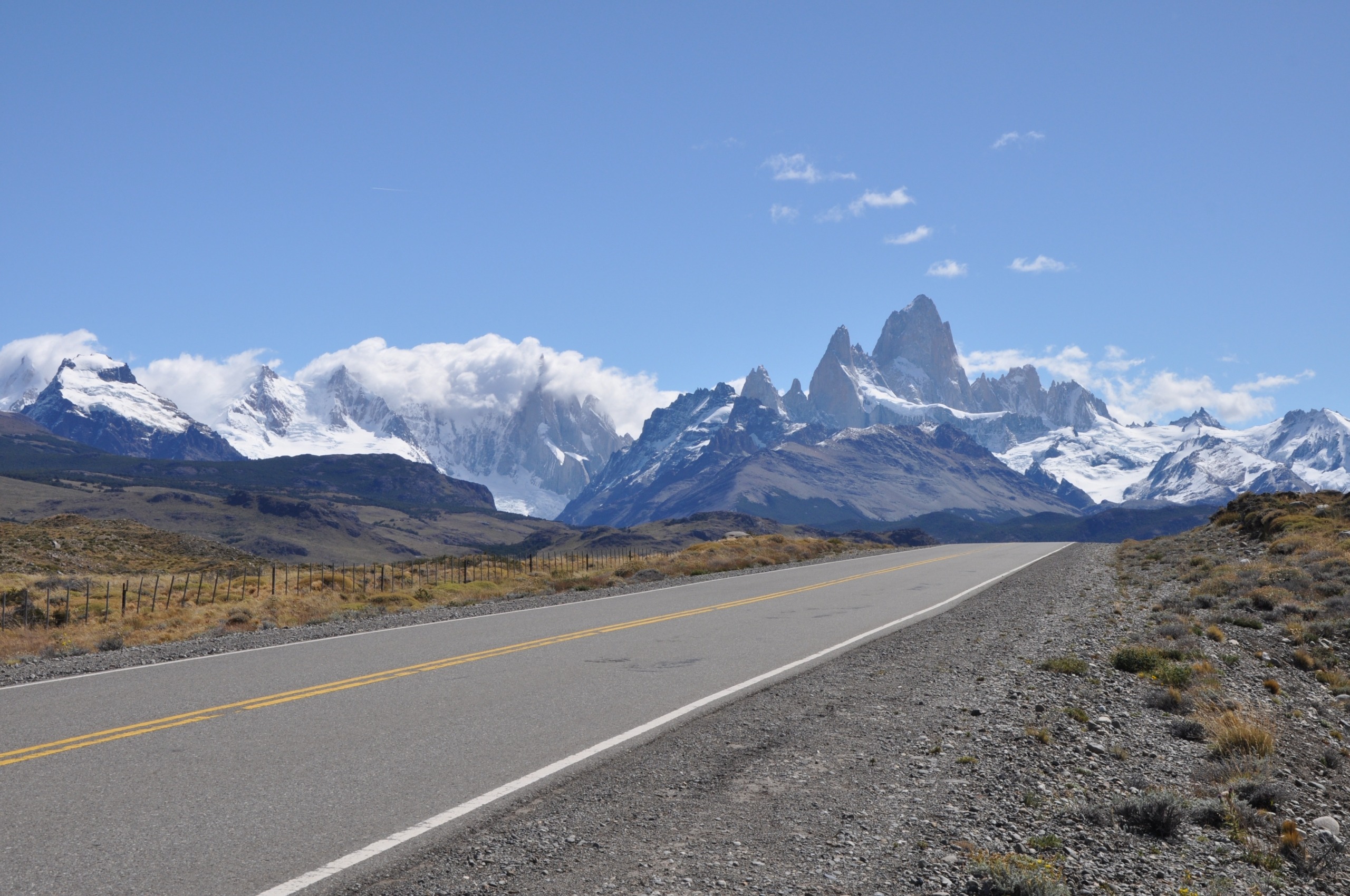
This region is defined by the dramatic meeting of the Andes Mountain Range and the Atlantic and Pacific Oceans. The western, Chilean side is a mosaic of steep mountains, glaciers, and a vast, intricate network of fjords. The eastern, Argentine side is characterized by the spectacular, jagged peaks and the endless, flat expanse of the Patagonian steppe.
Patagonia is the ultimate destination for the adventurous soul. It is a place of extremes, where the wind shapes the landscape and the weather changes every hour. Yet, for all its challenging wildness, it is home to some of the most inspiring and accessible natural wonders on the planet, inviting travelers to shed the constraints of modern life and reconnect with the raw majesty of the natural world. From the intrepid mountaineer to the casual observer, Patagonia offers a profound, life-altering experience where the world quite literally feels like it ends and the true adventure begins.
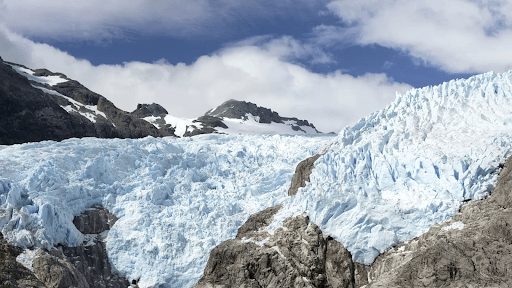
The Chilean Side: Towers, Glaciers, and Fjords
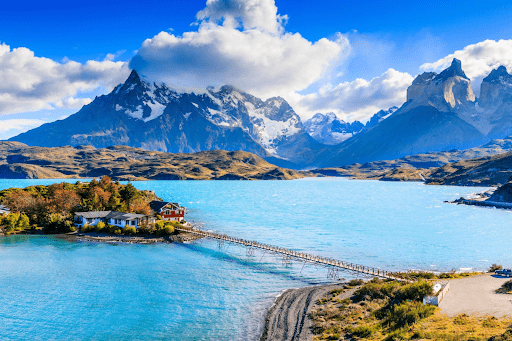
Chilean Patagonia, known for its extreme beauty and wild coastlines, is dominated by its crown jewel: Torres del Paine National Park. This park is globally renowned for its trio of spectacular granite peaks, The Towers (Las Torres), which are best viewed at sunrise when they glow with an ethereal red light.
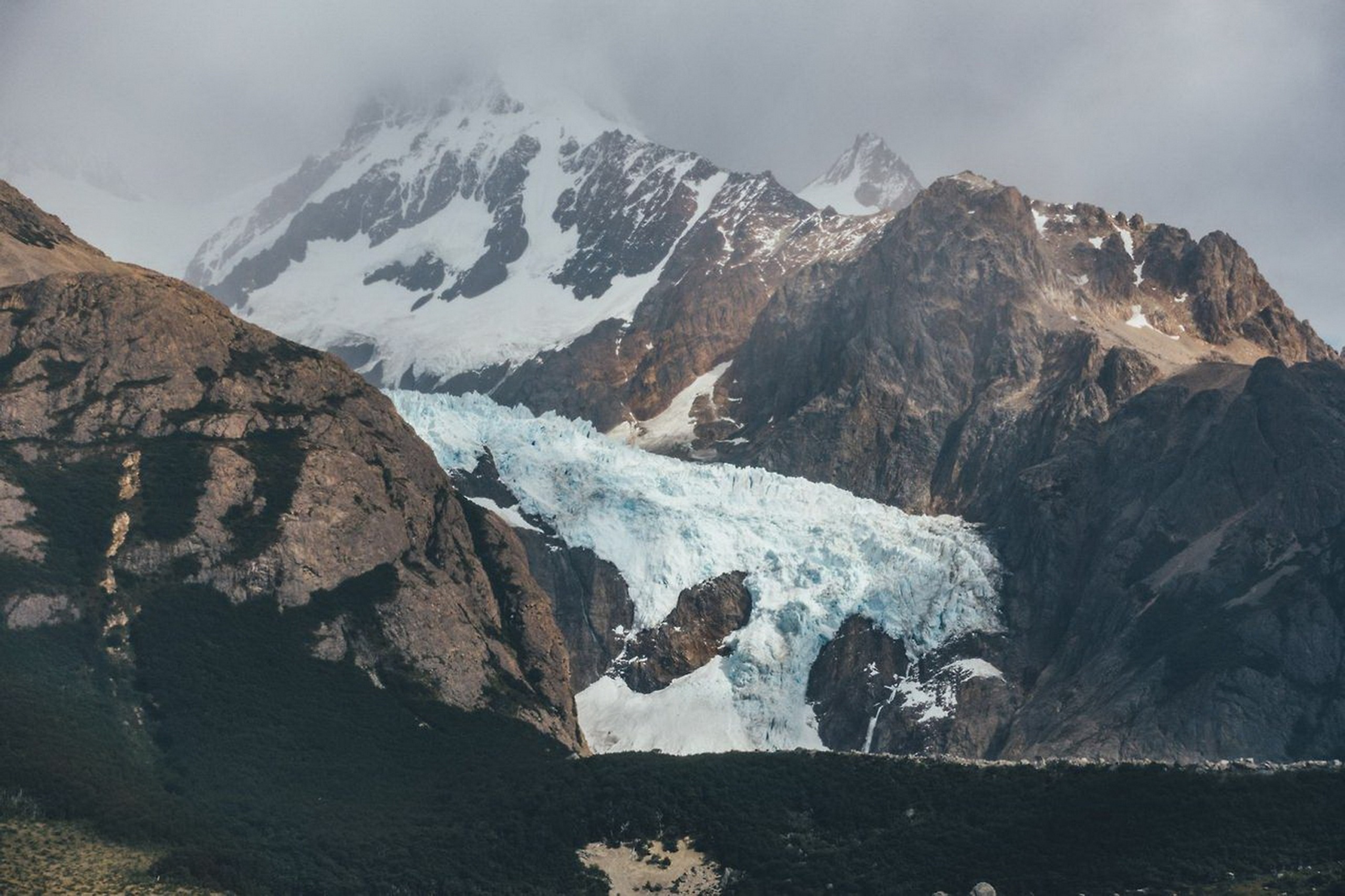
Hiking is the lifeblood of the park. The challenging, multi-day W-Trek and the comprehensive “Circuit” (O-Trek) draw trekkers from around the world. These routes lead through valleys of beech forest, past shimmering blue lakes, and offer close-up views of the park’s main features, including Grey Glacier, a massive tongue of ice calving into a lake.
The park is also a haven for wildlife. Herds of guanacos (a llama relative) graze across the open plains, while the skies are patrolled by the magnificent Andean Condor. For the lucky few, the elusive Puma can be spotted hunting among the scrub.
Further north along the Chilean coast, the landscape is fractured by the massive, ice-carved channels of the fjords, leading to the remote wilderness of the Southern Patagonian Ice Field. This vast expanse of ice is the world’s third-largest freshwater reserve. Access here is often by ferry or expedition ship, weaving through channels and docking in small, picturesque ports like Puerto Natales and the even more remote Puerto Williams, highlighting the wild, maritime character of this side of Patagonia.
The Argentine Side: Peaks, Perito Moreno, and Steppe
Argentine Patagonia presents a different but equally stunning profile, centered around its colossal glaciers and iconic peaks. The main gateway is El Calafate, a town sitting on the edge of Los Glaciares National Park.
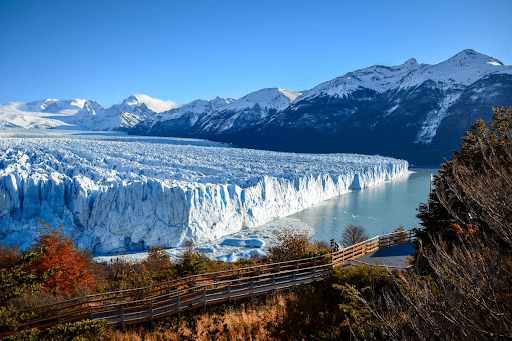
The park is home to one of the world’s most accessible and breathtaking natural wonders: the Perito Moreno Glacier. Unlike many glaciers worldwide, Perito Moreno is one of the few that is stable or even advancing. Visitors can observe its 60-meter-high face from a complex of boardwalks, witnessing the thunderous moment when massive shards of ice—often the size of buildings—calve and crash into Lago Argentino. This spectacle is one of the continent’s true must-see events.
North of El Calafate is the rugged village of El Chaltén, internationally recognized as the National Capital of Trekking. This town is the base camp for exploring the northern part of the park, including the trails leading to the base of Mount Fitz Roy (Cerro Chaltén) and Cerro Torre. These dramatic, needle-sharp granite peaks are legendary among climbers and hikers, offering some of the most rewarding day-hikes on the continent.
Beyond the mountain ranges, Argentine Patagonia stretches eastward into the immense, dry Patagonian Steppe. This semi-arid plateau, swept by the famous Patagonian wind, covers a huge area and is home to traditional estancias (ranches), offering a glimpse into the tough, isolated life of the gaucho.
The Wild Frontiers: Fauna, Culture, and the Route of 40
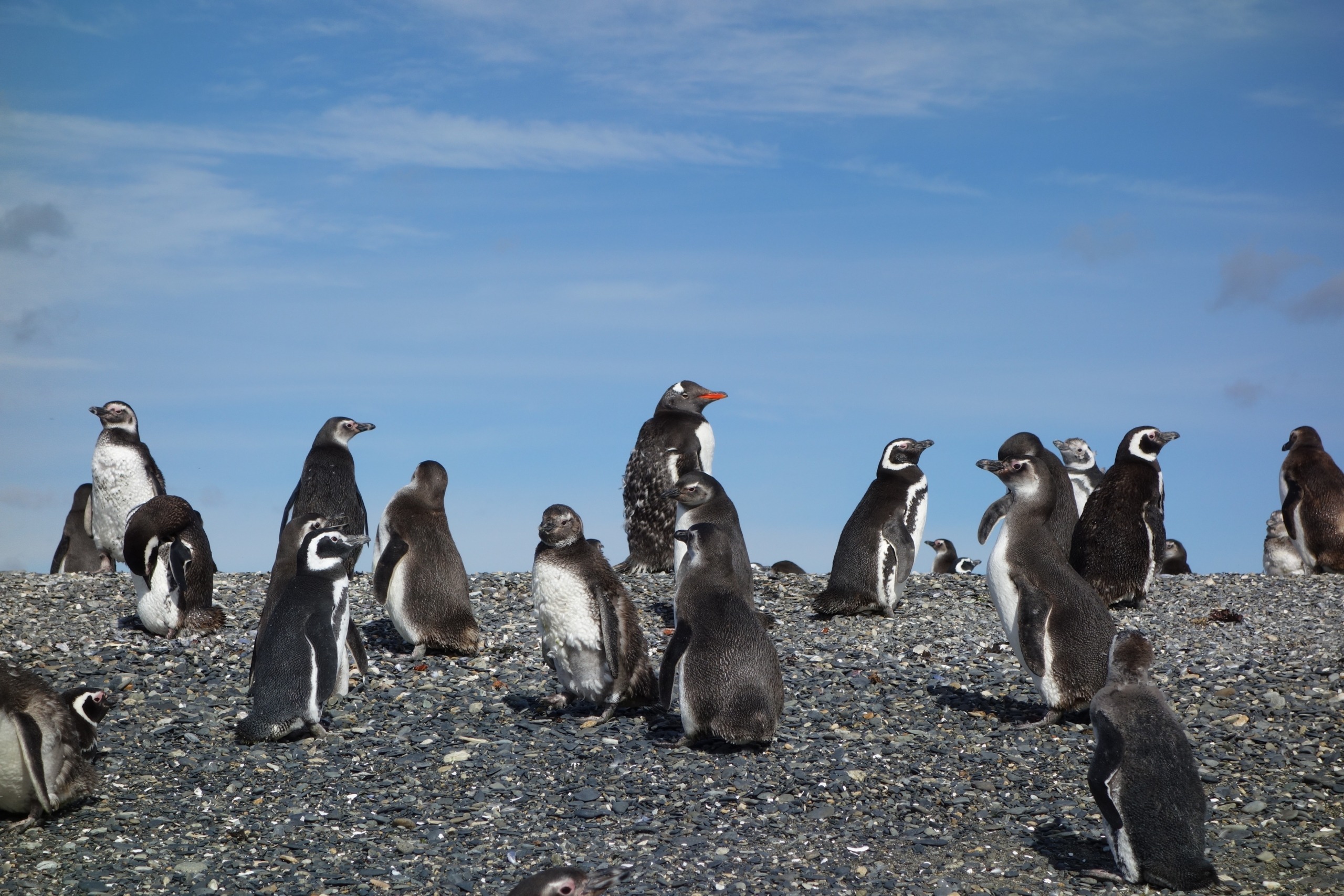
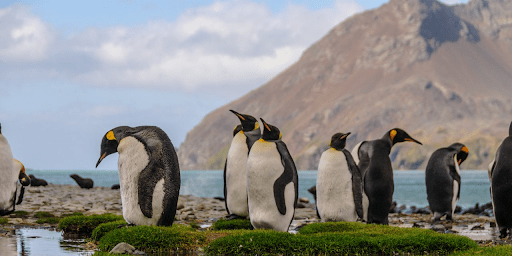
Patagonia’s diverse ecosystems support unique fauna that thrives in this harsh environment. The region is one of the few places where travelers can reliably encounter the Guanaco and the majestic Andean Condor. The growing population of Pumas has made certain areas of Torres del Paine and the surrounding reserves a top spot for ethical puma tracking and viewing. Along the coastlines, particularly around Peninsula Valdés in the north (technically Argentine Atlantic Patagonia), huge colonies of Magellanic Penguins, Southern Right Whales, and Elephant Seals gather seasonally.
The human element of Patagonia is embodied by the Gaucho Culture. These expert horsemen, much like North America’s cowboys, manage the sprawling sheep and cattle ranches on the Patagonian steppe. A stay at a traditional estancia offers a window into this heritage, often including demonstrations of sheep shearing, horseback riding, and hearty Patagonian barbecue (asado).
For the true road trip enthusiast, there is no greater journey than traveling along Argentina’s National Route 40 (Ruta 40). This legendary highway stretches over 5,000 kilometers from the far north to the far south of Argentina, running parallel to the Andes. The Patagonian section is a testament to isolation, cutting across the vast steppe, passing through small towns, and providing access to national parks. To drive the Route 40 is to embrace the Patagonian spirit: self-reliance, solitude, and an appreciation for the enormous, open horizon.
Explore Alaska:
“The Awakening of the Last Frontier”
MAY 2026
May marks the official start of Alaska’s travel season, offering the best of both worlds—fewer crowds and the awakening of nature in full splendor. It’s the perfect month for discerning travelers seeking pristine beauty, authentic experiences, and a front-row seat to the changing of seasons.
Key Highlights for May Travel in Alaska:
1. Wildlife Watching at Its Best
- Brown bears emerge from hibernation and can be spotted in places like Katmai or Lake Clark National Park.
- Moose calving season—a rare opportunity to see moose with their newborns in areas near Anchorage and Denali.
- Migratory birds return—ideal for bird watching along the Kenai Peninsula or in the Matanuska-Susitna Valley.
2. Denali National Park: Spring Awakens
- Early May offers snow-capped peaks with blooming tundra.
- Limited crowds = more serene and personalized exploration.
- Ideal time for photography and guided hikes, especially with a naturalist.
3. Glacier Exploration & Coastal Cruises
- Take small-ship cruises through Kenai Fjords or Prince William Sound—see tidewater glaciers calving dramatically into the ocean.
- Whale watching season begins—gray whales are migrating, and humpbacks start to appear.
4. Extended Daylight = More Time to Explore
- With up to 18 hours of daylight, there’s more time for epic hikes, flightseeing, and cultural immersion.
- Perfect for adventure photographers or those who don’t want the day to end.
5. Spring Blooms & Local Festivals
- Witness wildflowers like lupines and forget-me-nots carpeting valleys.
- Attend Anchorage Market & Festival or Sitka’s Spring Music Festival—a touch of Alaskan culture and cuisine.