

Best Time to Visit Antarctica: Month-by-Month Luxury Expedition Guide (2026/2027)
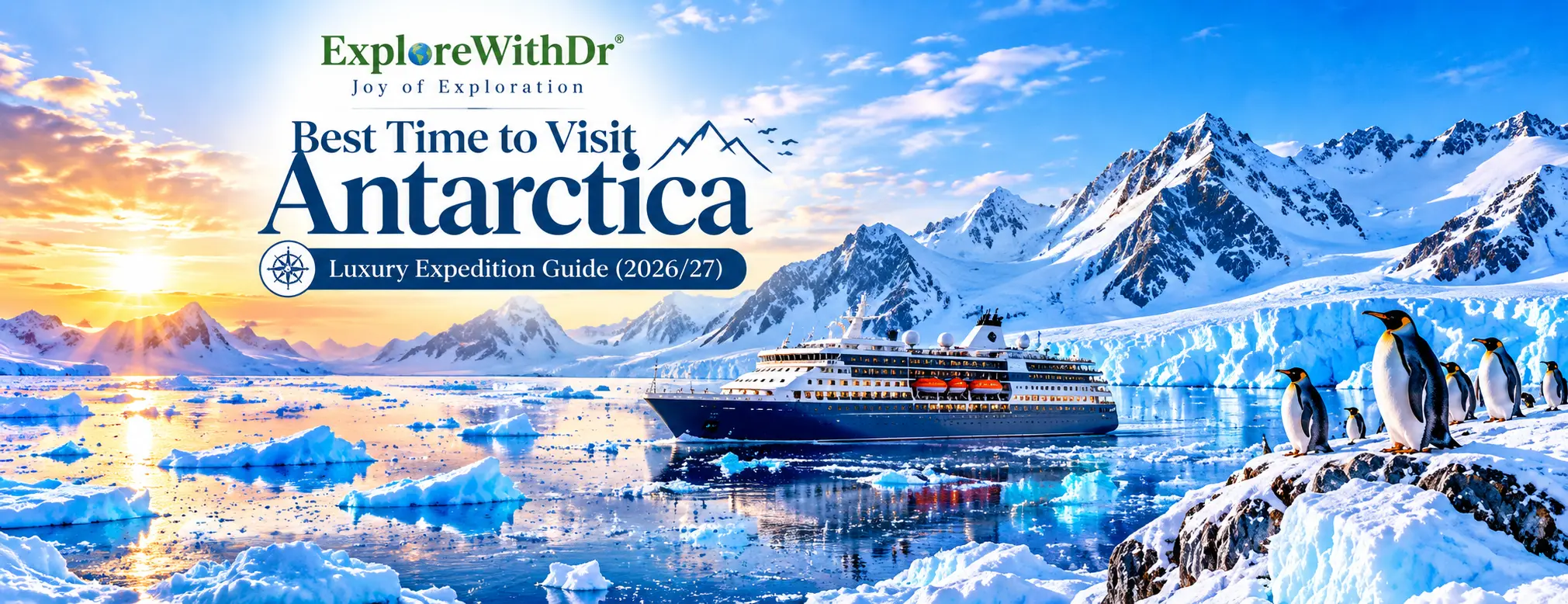
Planning an ultra-luxury expedition to the White Continent requires meticulous timing and careful preparation, as each distinct phase of the Antarctic summer unveils a dramatically different polar landscape, climate dynamic, and wildlife spectacle. From the pristine, untouched ice fields and giant blue tabular icebergs of November to the playful penguin nurseries of mid-summer and the extraordinary humpback whale breaches of late February, selecting the right departure window is the single most important decision for discerning, high-net-worth travelers.
Beyond wildlife sightings, your chosen travel month directly influences ocean conditions, daylight hours, ice-edge navigation, helicopter excursion availability, and fly-cruise charter schedules. Whether your priority is avoiding the turbulent open ocean by taking a luxury air-cruise charter over the Drake Passage, capturing breathtaking midnight-sun photography, or securing an owner’s suite on a state-of-the-art polar vessel with dedicated butler service, this comprehensive month-by-month guide provides the authoritative insights you need to curate an unforgettable expedition tailored precisely to your personal travel aspirations for the 2026/2027 season.
1. Understanding the Antarctic Expedition Season
Antarctica’s travel season is surprisingly compact, spanning roughly five months during the Southern Hemisphere’s late spring and summer—from late October through late March. Outside of this critical window, extreme sub-zero temperatures, perpetual darkness, severe polar winter storms, and impenetrable sea ice make tourist navigation impossible for commercial vessels.
Choosing the best month to visit Antarctica depends entirely on your personal travel priorities. Are you looking to witness giant icebergs freshly broken off from vast ice shelves, observe penguin chicks hatching in massive colonies, or spot humpback and minke whales breaching alongside your Zodiac? Each month offers a distinctly different natural spectacle, distinct weather patterns, and specific expedition opportunities.
If you are currently evaluating your travel investment, timing also plays a crucial role in vessel availability, suite selection, and total costs. For a complete understanding of overall pricing structures, suite categories, and charter flight inclusions across all operating months, explore our comprehensive Antarctica luxury cruise cost 2026 guide.
2. Antarctica Weather & Daylight Overview by Month
During the Antarctic summer, weather conditions along the popular Antarctic Peninsula are remarkably mild compared to common perception. Temperatures generally hover between -2°C to +5°C (28°F to 41°F). Daylight hours expand dramatically as summer approaches, culminating in up to 24 hours of continuous daylight during the December solstice.
The following table provides a breakdown of ambient temperatures, daylight availability, primary wildlife events, and ice conditions across the full operating season:
| Month | Average Temp (°C) | Daylight Hours | Primary Wildlife Highlight | Ice & Navigation Conditions |
|---|---|---|---|---|
| November | -3°C to +1°C | 18 – 20 hours | Penguin mating season & elephant seal displays | Pristine deep sea ice, sea caves & huge icebergs |
| December | -1°C to +3°C | 20 – 24 hours | Penguin chicks hatching & active seal colonies | Receding sea ice; channels opening up rapidly |
| January | 0°C to +4°C | 20 – 22 hours | Active penguin nurseries & playful seal pups | Peak access to narrow southern passages |
| February | -1°C to +3°C | 16 – 18 hours | Peak whale watching (Humpbacks, Minkes, Orcas) | Minimal sea ice; optimal marine navigation |
| March | -3°C to +1°C | 12 – 14 hours | Whales feeding & dramatic polar sunsets | First autumn freeze begins; sea ice reforming |
3. Month-by-Month Detailed Breakdown for Luxury Voyagers
November: The Pristine White Wilderness & Giant Icebergs
November marks the official opening of the Antarctic expedition season. Ships arriving in November encounter Antarctica in its most untouched, dramatic, and winter-like state. Mountain ranges along the peninsula are heavily laden with deep, fresh snow, and sea ice is only beginning to break apart into grand floes.
If you prefer classic ocean voyages with state-of-the-art stabilizers and Michelin-inspired onboard luxury, explore our full portfolio of antarctica luxury expeditions.
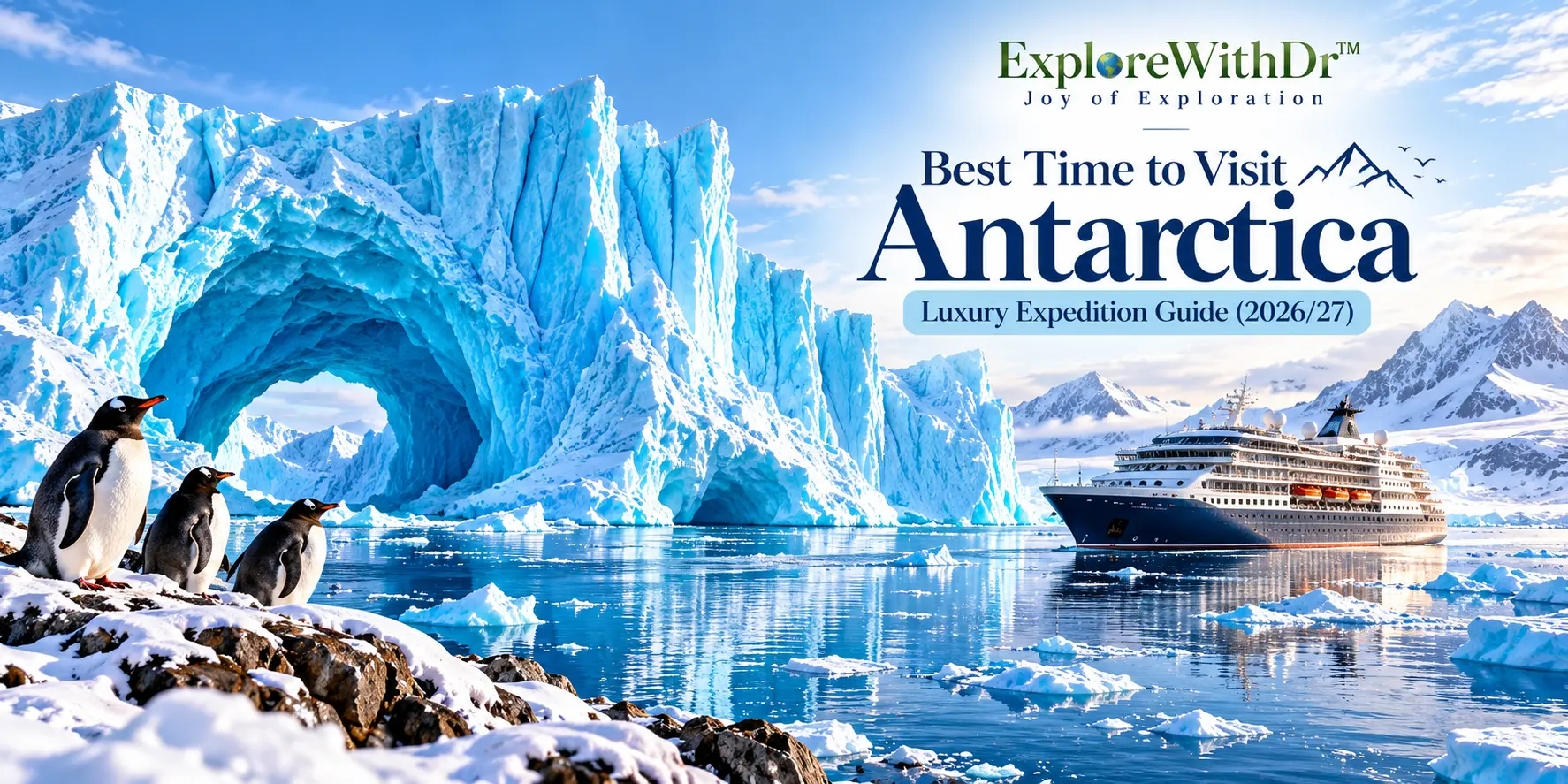
- Scenery: Unsurpassed visual beauty with immaculate snowscapes, glowing ice caves, and towering tabular icebergs.
- Wildlife: Gentoo, Adélie, and Chinstrap penguins return to land to build nests made of pebbles. Elephant seals and fur seals engage in territorial courtship displays along coastal beaches.
- Luxury Advantage: Early-season charter flights operate smoothly, and luxury vessels encounter few other ships. If you prefer flying over the ocean to avoid early spring sea swells, review our guide comparing fly-cruise vs Drake passage crossing options.
December: 24 Hours of Sunlight & Penguin Hatching
December is widely considered one of the prime months for Antarctic travel due to maximum daylight and comfortably rising temperatures. Mid-December brings the summer solstice, where the sun barely dips below the horizon, bathing the polar ice in golden midnight light.
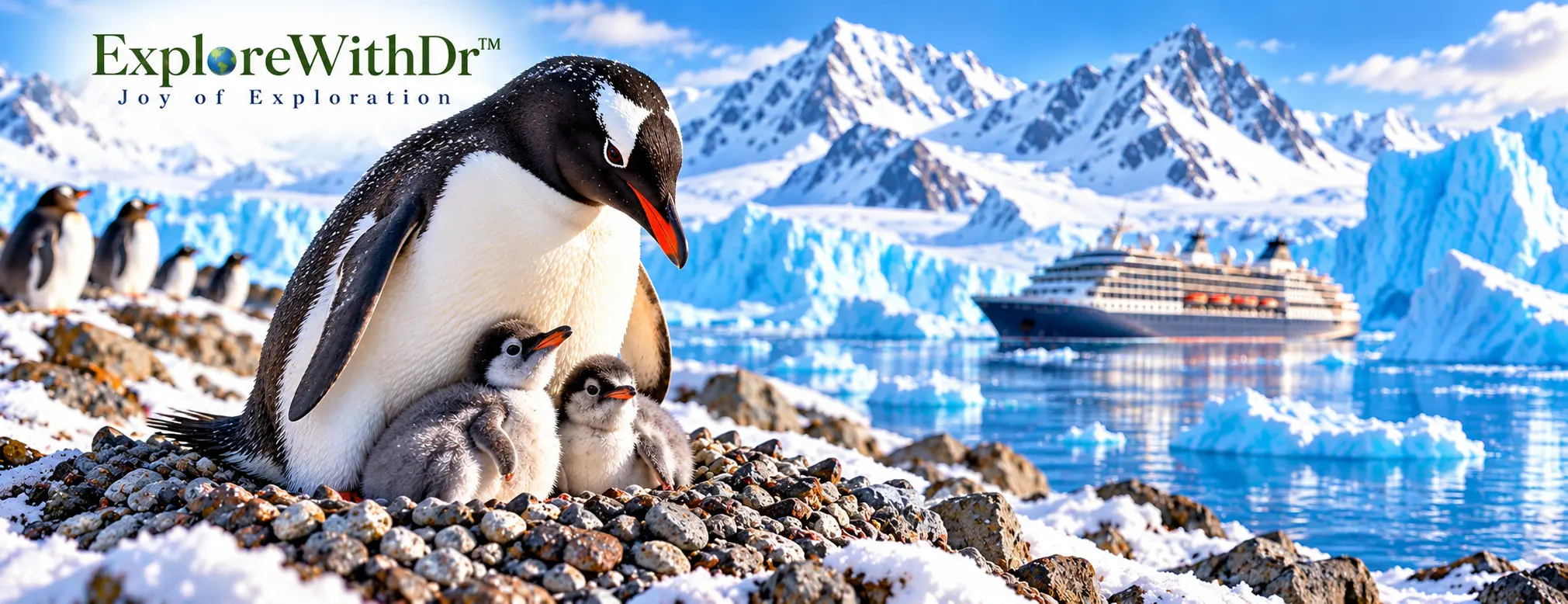
- Wildlife Highlight: Late December sees the first adorable penguin chicks hatching across colonies on the Peninsula and South Shetland Islands. Parents endlessly swap guard duties and forage for krill.
- Expedition Activities: Sea ice melts sufficiently to allow kayakers, stand-up paddleboarders, and Zodiac tours into historic bays like Paradise Harbor and Neko Harbor.
- Booking Note: High demand during Christmas and New Year holidays means balcony suites and luxury private charters must be booked 12 to 18 months in advance.
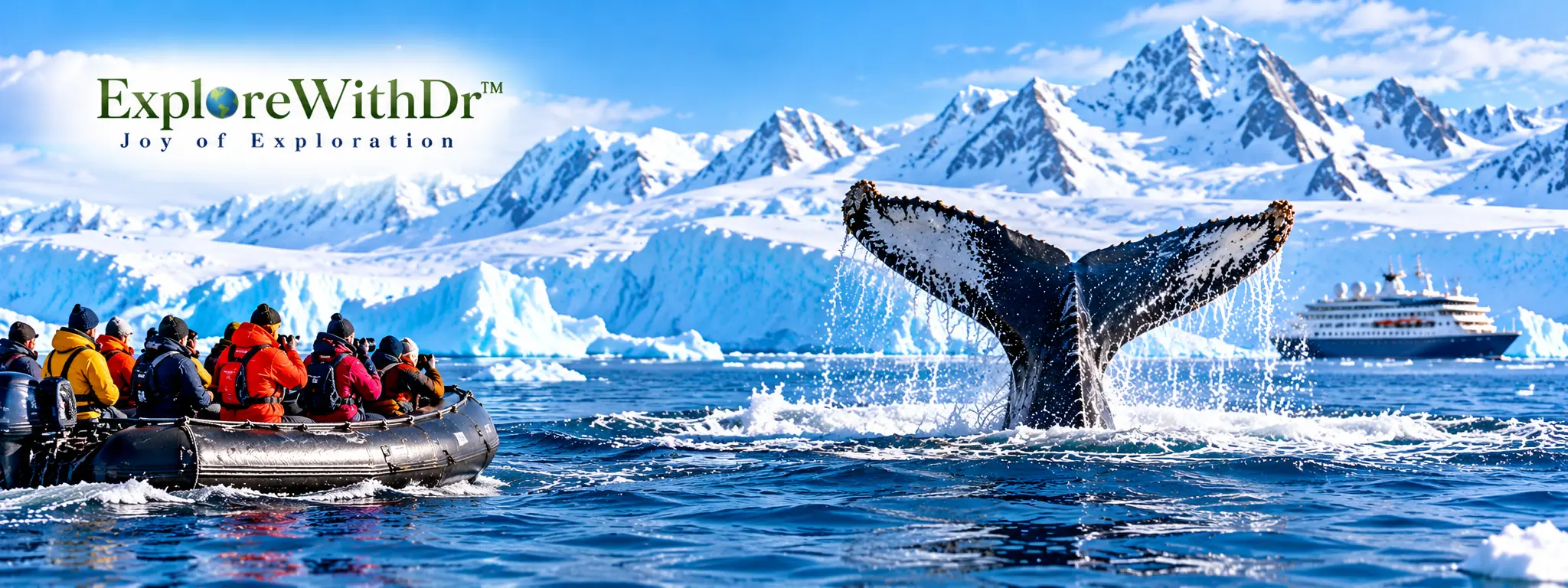
- Whale Sightings: Humpback whales, minke whales, fin whales, and pods of orcas (killer whales) frequent the sheltered bays. Inquisitive humpbacks frequently approach stationary Zodiacs within arm’s reach.
- Photography: Shorter daylight hours return, bringing dramatic pink, orange, and golden sunsets reflecting off calm, glassy ocean waters.
- Excursion Access: Shore landings are clean and easily navigable, making walking tours and polar plunges very comfortable for luxury travelers.
March: Late Summer Solitude & Atmospheric Skies
March represents the tail end of the commercial expedition season. As autumn approaches, temperatures drop noticeably and fresh sea ice begins to reform along bay shorelines.
- Key Highlights: Exceptional whale encounters continue through early March. Young penguin chicks are now fledging, losing their downy feathers, and taking their first swims in the sea.
- Atmosphere: Far fewer vessels remain in the region, offering an intimate, private expedition feel. Darker night skies also provide occasional glimpses of the Southern Lights (Aurora Australis) in southern latitudes.
4. Matching Your Travel Goals to the Ideal Month
Depending on what you want to experience most during your voyage, here is a recommendation matrix tailored for luxury travelers:
- Best Month for Photographers: November (for pristine, untouched snowscapes and icebergs) and February (for dramatic golden sunset lighting & active whale breaches).
- Best Month for Families & Couples: December and January (for the warmest weather, mild winds, and playful baby penguin chicks).
- Best Month for Marine Life Enthusiasts: February and early March (for peak humpback, minke, and orca encounters).
- Best Month to Avoid Sea Sickness (Fly-Cruise): December through February offer the most predictable flight weather conditions over Drake Passage air corridors. Compare all route benefits in our fly-cruise vs Drake passage crossing guide.
If you prefer classic ocean voyages with state-of-the-art stabilizers and Michelin-inspired onboard luxury, explore our full portfolio of antarctica luxury expeditions.
5. Frequently Asked Questions (FAQs)
6. Start Planning Your 2026/2027 Polar Journey
Whether you choose the pristine ice realm of November or the whale-filled waters of February, an Antarctic expedition requires early preparation. Small luxury vessels limit guest capacity to maintain compliance with IAATO environmental regulations, meaning premium balcony suites sell out quickly.
To review overall costs before selecting your dates, consult our detailed Antarctica luxury cruise cost 2026 guide. You can also explore our main destination hub for curated itineraries, private charter options, and tailored advice on antarctica luxury expeditions to secure your preferred departure date for the upcoming season.
If you prefer classic ocean voyages with state-of-the-art stabilizers and Michelin-inspired onboard luxury, explore our full portfolio of antarctica luxury expeditions.