
Penguins – The Comedians of the Ice
Few wildlife encounters leave a lasting impression quite like watching penguins in Antarctica. These remarkable birds combine curiosity, intelligence, resilience, and playful behavior, making them one of the most beloved creatures of the polar world. Whether they are sliding gracefully across the ice, diving effortlessly into freezing waters, or caring for their chicks in tightly packed colonies, penguins demonstrate nature’s incredible ability to adapt and thrive.
For travelers joining an Antarctic expedition, observing penguins is often one of the most memorable moments of the journey. Their interactions reveal a fascinating balance between survival and playfulness, offering visitors an intimate glimpse into life in one of Earth’s most remote environments.
This guide explores the lives of Antarctic penguins, the species you may encounter, their remarkable adaptations, and why they continue to captivate explorers, photographers, and wildlife enthusiasts from around the world.
Penguins of Antarctica – Nature’s Most Charismatic Birds
Antarctica is home to some of the world’s most iconic penguin species. Unlike flying birds, penguins have evolved into extraordinary swimmers capable of navigating the icy Southern Ocean with remarkable speed and precision. Their streamlined bodies, waterproof feathers, and strong flippers make them perfectly adapted for life in one of the planet’s harshest environments.
Visitors on Antarctic expeditions often witness thousands of penguins living together in bustling colonies. These colonies provide opportunities to observe fascinating social behaviors, from courtship rituals and nest building to cooperative parenting and vocal communication. Every encounter offers a deeper appreciation for the resilience of wildlife in the polar regions.
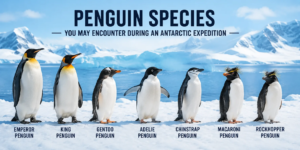
Penguin Species You May Encounter During an Antarctic Expedition
Several penguin species inhabit Antarctica and the surrounding sub-Antarctic islands. Each possesses unique characteristics that contribute to the region’s incredible biodiversity.
Emperor Penguin
The Emperor Penguin is the largest penguin species in the world and is famous for surviving the brutal Antarctic winter while raising its chicks on sea ice.
Adélie Penguin
Known for their energetic personalities and impressive swimming abilities, Adélie Penguins are among the most commonly observed species during Antarctic voyages.
Gentoo Penguin
Recognizable by the bright orange beak and white stripe across the head, Gentoo Penguins are fast swimmers and curious observers of expedition visitors.
Chinstrap Penguin
Named after the thin black line beneath their heads, Chinstrap Penguins are highly social birds often found nesting along rocky Antarctic coastlines.
Life Inside a Penguin Colony
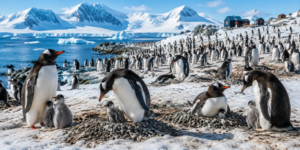
Living in large colonies helps penguins survive the extreme Antarctic environment. These communities provide protection against predators, improve breeding success, and create opportunities for social interaction. Watching thousands of penguins move together across snow-covered landscapes is both entertaining and scientifically fascinating.
Every colony has its own rhythm, filled with communication calls, playful interactions, and coordinated movements that reflect the remarkable organization of these birds. Visitors often find themselves captivated by the personalities displayed by individual penguins, each responding differently to its surroundings.
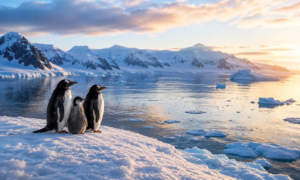
Penguins are endlessly entertaining. I watched them waddle in groups, tumble on slopes, and dive into frigid waters with comical determination. Each has a unique personality, and their social interactions reminded me of human communities—full of play, curiosity, and occasional mischief.
Despite the harsh environment, penguins thrive. Their resilience is inspiring. They endure storms, protect their young, and navigate treacherous ice to survive. I found myself laughing at their antics, yet deeply moved by their determination.
They are nature’s balance of joy and resilience, teaching us to approach life with both seriousness and playfulness. Observing them, I felt gratitude for life’s lighter moments even amid challenges.
Personal Invitation from Dr. Manish Jain
Come with me and laugh alongside penguins. Experience their charm, resilience, and joy firsthand, and let them remind you how to thrive with courage and humor.
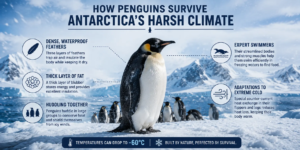
How Penguins Survive Antarctica’s Harsh Climate
Penguins survive some of Earth’s coldest conditions through remarkable biological adaptations. Their dense waterproof feathers trap insulating air close to the body, while a thick layer of fat helps conserve heat during extended periods in icy waters.
Powerful flippers enable efficient swimming, allowing penguins to travel long distances in search of food. Their streamlined bodies reduce water resistance, making them exceptional underwater hunters capable of catching krill, fish, and squid with incredible agility.
Best Time to See Penguins in Antarctica
The Antarctic expedition season generally runs from late October through March, with each month offering unique wildlife experiences.
- October–November: Courtship and nesting activities.
- December: Penguin chicks begin to hatch.
- January: Active colonies filled with growing chicks.
- February–March: Young penguins prepare for independence while whales become increasingly active.

Responsible Wildlife Encounters
Observing penguins responsibly ensures future generations can enjoy these extraordinary wildlife experiences. Visitors should always maintain appropriate distances, avoid disturbing nesting areas, and follow expedition guides trained in responsible wildlife observation.
Ethical tourism supports conservation efforts while preserving Antarctica’s fragile ecosystems and the incredible biodiversity that makes the continent unlike anywhere else on Earth.
Interesting Facts About Penguins
- Penguins cannot fly but are exceptional swimmers.
- Emperor Penguins can dive deeper than 500 meters.
- Penguins communicate using unique vocal calls.
- Some penguins can swim up to 35 km/h.
- They spend much of their lives at sea.
- Parents carefully share incubation responsibilities.
- Their feathers provide excellent waterproof insulation.
- Penguins are highly social animals living in large colonies.
Frequently Asked Questions
Conclusion
Watching penguins in Antarctica is more than a wildlife encounter—it is a reminder of nature’s remarkable resilience, adaptability, and joy. Their playful personalities, strong family bonds, and extraordinary survival skills create unforgettable memories for every traveler fortunate enough to witness them in the wild.
Whether you are passionate about wildlife photography, polar exploration, or simply seeking one of the world’s most extraordinary travel experiences, penguins remain one of Antarctica’s greatest ambassadors, inspiring curiosity and respect for one of Earth’s last great wildernesses.